Understanding Automatic Bag Palletizer Machines
In the evolving landscape of industrial automation, the automatic bag palletizer machine stands out as a cornerstone of efficiency, significantly enhancing production capabilities. Designed to streamline the process of stacking bags onto pallets, these machines are revolutionizing how industries manage their logistics and distribution. As businesses strive to maintain competitiveness, understanding the function and advantages of automatic bag palletizers is essential for optimizing operations in various sectors.
What is an Automatic Bag Palletizer Machine?
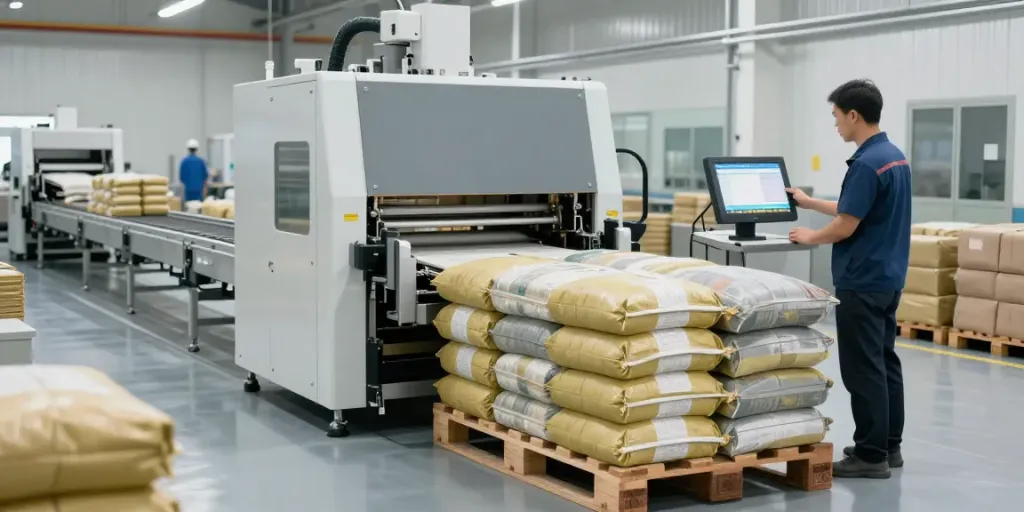
An automatic bag palletizer machine is an advanced piece of equipment designed to automate the process of stacking bags on pallets. Unlike traditional manual methods, these machines employ sophisticated technology, including robotics and advanced sensors, to handle bags of varying sizes and weights with utmost precision. This automation minimizes human error and maximizes productivity, resulting in smoother operations at the end of production lines.
How Does an Automatic Bag Palletizer Work?
The operation of an automatic bag palletizer involves several key components. Initially, bags exit the packaging line and are fed into the palletizer through a conveyor system. Once in position, the palletizer uses robotic arms or automated mechanical systems to pick up bags and stack them according to predefined patterns. This stacking process can be adjusted based on the type and size of the bags, ensuring flexibility in production. The finished pallets are then ready for storage or shipment, thereby significantly reducing the time and labor costs associated with manual palletizing.
Benefits of Implementing Automatic Bag Palletizer Machines
- Increased Efficiency: Automatic bag palletizers operate at high speeds, allowing businesses to handle larger volumes of products without compromising quality.
- Consistency and Accuracy: These machines consistently produce well-stacked pallets, enhancing the stability of shipments and reducing damage during transport.
- Labor Cost Reduction: Automation decreases the need for manual labor, minimizing labor costs and the risks associated with repetitive strain injuries.
- Flexibility: Most modern palletizers can handle different bag sizes and types, making them suitable for diverse industries.
- Enhanced Safety: By reducing human intervention in the palletizing process, automatic machines contribute to a safer work environment.
Applications Across Industries
Automated Solutions in Food and Beverage
In the food and beverage industry, where efficiency and hygiene are paramount, automatic bag palletizers play a crucial role. They efficiently stack bags of flour, sugar, rice, and other food items, ensuring that safety protocols are met while maintaining high productivity levels. For instance, companies can implement these machines to manage the heavy volumes of bulk food products, facilitating smoother operations and faster delivery times.
Palletizing for Chemicals and Pharmaceuticals
In sectors like chemicals and pharmaceuticals, where products often come in varying packaging formats, the versatility of automatic bag palletizers becomes invaluable. They can effectively handle different bag structures, ensuring compliance with stringent safety regulations. For example, a chemical manufacturing plant may use a specialized palletizer to manage hazardous materials safely, thereby mitigating risks and enhancing operational efficiency.
Logistics and E-commerce Implementations
Within logistics and e-commerce, speed and accuracy are critical. Automated bag palletizers streamline the packing and shipping processes, allowing businesses to keep up with high demand. With the rise of online shopping, companies can utilize these machines to manage product inventories effectively, ensuring that orders are fulfilled quickly and accurately, which is vital in maintaining customer satisfaction.
Technological Innovations in 2026
Integration with Artificial Intelligence
Looking ahead, the integration of artificial intelligence (AI) with automatic bag palletizers is set to enhance their operational capabilities significantly. AI algorithms can optimize palletizing patterns in real-time, adjusting to variables such as weight distribution and bag sizes to improve efficiency and reduce waste. This integration not only enhances productivity but also facilitates predictive maintenance, minimizing downtime due to equipment failures.
Enhanced Safety Features in Modern Designs
Modern designs of automatic bag palletizers are incorporating advanced safety features to protect both the machinery and the workforce. For instance, many new models come equipped with integrated vision systems that monitor the palletizing process, ensuring bags are correctly positioned and stacked. Safety interlocks and emergency stop functions further enhance operational safety, making these machines a reliable choice for any industrial environment.
Flexibility for Different Bag Sizes and Materials
As industries evolve, so do their packaging needs. Automatic bag palletizers are now designed to accommodate a broader range of bag sizes and materials, from lightweight plastic bags to heavy-duty paper sacks. This flexibility allows manufacturers to adapt quickly to market changes and customer demands, ensuring they can meet varying production requirements without needing extensive machine reconfiguration.
Choosing the Right Automatic Bag Palletizer Machine
Key Considerations for Selection
When selecting an automatic bag palletizer machine, several factors should be considered. Key considerations include the type of products being palletized, production volume, space constraints, and budget. Companies should evaluate their specific needs and choose a machine that aligns with their operational goals while providing room for growth in the future.
Customizing for Specific Industry Needs
Customization options are crucial for businesses to optimize their palletizing systems fully. Many manufacturers offer tailored solutions that cater to the unique requirements of different industries. For example, specialized attachments may be necessary for handling fragile products or irregularly shaped bags. Businesses should engage with suppliers to discuss potential customizations that can improve efficiency and safety.
Cost vs. Benefit Analysis for Investment
Investing in an automatic bag palletizer machine can be a significant decision for any business. It is essential to conduct a thorough cost vs. benefit analysis, taking into account initial investment costs, operational savings, and the anticipated return on investment (ROI). Businesses should also consider the long-term advantages of increased efficiency and reduced labor costs when evaluating the feasibility of such an investment.
Future Trends and Predictions
Emerging Technologies in Bag Palletizing
The future of bag palletizing is likely to be influenced by several emerging technologies. Innovations such as collaborative robots (cobots) are expected to work alongside human operators, enhancing productivity while maintaining safety. Additionally, advancements in machine learning and data analytics will provide insights that optimize the palletizing process over time.
Preparing for Industry Changes in 2026
As industries adapt to changing dynamics, businesses must prepare for the implications of new technologies in their palletizing operations. This includes investing in training for staff to manage automated systems and staying updated on technological advancements that can further enhance efficiency and effectiveness.
Long-term Impact on Supply Chain Efficiency
The implementation of automatic bag palletizers will play a pivotal role in the long-term evolution of supply chains. By automating the palletizing process, companies can improve throughput, reduce handling times, and enhance inventory management. In turn, this leads to a more responsive supply chain that can adapt to fluctuations in demand without compromising service levels.
What is the average cost of a robotic palletizer?
The cost of a robotic palletizer can vary widely based on factors such as capacity, customization, and technology level. On average, businesses can expect to invest anywhere from $100,000 to $500,000, with state-of-the-art systems potentially exceeding this range. It is crucial for companies to balance their budget with the long-term benefits these machines provide.
What are the benefits of automated bagging systems?
Automated bagging systems deliver numerous benefits, including enhanced accuracy, reduced labor costs, and increased production speeds. They help in maintaining consistent quality while minimizing waste—a significant consideration for businesses aiming to boost their profit margins.
How do different types of palletizer machines compare?
Various types of palletizer machines serve different needs, including robotic and conventional palletizers. Robotic palletizers are highly flexible and can handle a variety of bag sizes and shapes, while conventional palletizers tend to be more cost-effective for high-volume, uniform products. Businesses should consider their specific requirements when selecting the most suitable option.
What role does automation play in palletizing?
Automation plays a crucial role in enhancing efficiency and productivity in palletizing operations. Automated systems not only streamline the stacking process but also provide superior accuracy, reducing the risk of damage during transport and ensuring compliance with safety standards.
What are the latest advancements in bag palletizing technology?
Recent advancements in bag palletizing technology include the incorporation of AI for improved operational decision-making and enhanced safety features that protect both machines and workers. Moreover, modular designs now allow for easy upgrades and customization, making it easier for companies to adapt to changing market demands.