Understanding Containerized Water Treatment Systems
Containerized water treatment systems have emerged as a revolutionary solution in the realm of water purification and management. These innovative systems leverage modular flexibility, enabling the design of tailor-made water treatment processes that cater to diverse scenarios—from municipal needs to extensive industrial applications. They are specially engineered for seamless relocation and reuse, quickly adapting to renovation, expansion, or any dynamic scenario shifts. A particularly remarkable feature is their ability to provide stand-alone drinking water production at any location worldwide, regardless of the incoming water quality. water treatment systems Supplier can offer in-depth insights into these advanced solutions.
What Are Containerized Water Treatment Systems?
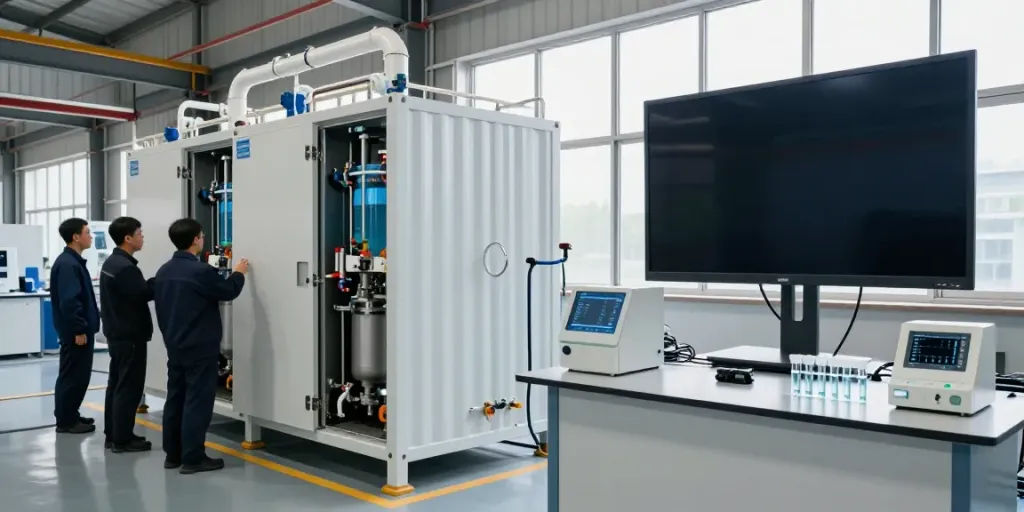
Containerized water treatment systems are pre-fabricated units that contain all necessary components for treating water to meet specific quality standards. These systems incorporate various treatment processes, such as filtration, reverse osmosis (RO), and disinfection, all housed within a durable container. This design not only allows for quick setup and deployment but also ensures that the systems can be easily transported, making them a suitable choice for both temporary and permanent installations.
Advantages of Modular Flexibility in Water Treatment
The modular nature of containerized systems enables them to be tailored to the specific water quality requirements of different applications. This flexibility can be particularly advantageous in scenarios such as:
- Municipal Water Supply: Addressing the needs of communities facing water scarcity or contamination issues.
- Industrial Use: Providing specific water treatments based on the processes of various industries, such as pharmaceuticals or food manufacturing.
- Remote Deployments: Supporting isolated regions with effective solutions for water treatment.
Comparison with Traditional Water Treatment Solutions
When comparing containerized systems to traditional water treatment solutions, several core differences emerge:
- Deployment Time: Containerized systems can be deployed in as little as 3-7 days, while traditional systems often require 3-6 months for construction.
- Space Requirements: Containerized solutions need only a flat surface for installation, saving up to 50% more floor space compared to traditional setups that require extensive civil engineering work.
- Quality and Control: The intelligent control systems of containerized units allow for real-time monitoring, enhancing operational efficiency and treatment quality.
- Mobility: Containerized systems have a high reusability rate over 90%, whereas traditional systems are fixed structures that are difficult to relocate.
- Resource Recycling: They support the integration of reclaimed water reuse modules, achieving recycling rates of up to 80%, compared to less than 40% in many traditional systems.
Key Benefits of Containerized Water Treatment Systems
Rapid Deployment and Installation
The swift deployment capabilities of containerized water treatment systems mean that they can be operational quickly when urgent water treatment needs arise. This rapid installation is essential for emergency responses, such as natural disasters or industrial accidents, where immediate access to safe water is crucial.
Cost-Effectiveness and Resource Efficiency
Containerized systems provide a cost-effective alternative to traditional systems. The prefabricated nature reduces onsite labor costs and construction time, resulting in overall lower capital and operational expenses. Furthermore, these systems often incorporate resource-efficient technologies, maximizing treatment capabilities while minimizing waste.
High Purity Water Production Capabilities
Engineered for high-purity water production, containerized systems utilize advanced technologies such as RO and RO-EDI (Electrodeionization) integration. These systems are tailored for applications requiring ultra-pure water, such as in the pharmaceutical, laboratory, and specific industrial processes, ensuring that the produced water meets stringent quality standards.
Real-World Applications and Case Studies
Municipal Water Supply Solutions
In urban settings where water quality issues are prevalent, containerized water treatment systems have been implemented to provide immediate relief. For instance, municipalities facing disruptions in their water supply can deploy these systems to deliver clean and safe drinking water within days, effectively addressing seasonal demands or emergency situations.
Industrial Applications and Remote Deployments
Industries such as mining and oil extraction often operate in remote locations where conventional water infrastructure is unfeasible. Here, containerized systems provide an adaptable solution, delivering tailored water treatment that meets industry-specific regulations while being readily transportable to different operational sites.
Pharmaceutical and Laboratory Water Needs
High-purity water is a fundamental requirement in the pharmaceutical industry. Containerized systems equipped with sophisticated filtration and disinfection processes ensure consistent water quality, critical for laboratory research and drug manufacturing. These systems can be consistently monitored to maintain compliance with strict industry standards.
Challenges and Considerations for Implementation
Common Misconceptions About Containerized Systems
Despite their advantages, some misconceptions exist around the effectiveness and reliability of containerized water treatment systems. A prevalent concern is the perception that modular systems are inferior in quality compared to traditional installations. In reality, the technological advancements and rigorous quality controls in prefabrication lead to highly effective treatment solutions.
Regulatory and Compliance Issues
As with any water treatment solution, compliance with local and international regulations is vital. Containerized systems must adhere to guidelines established by health authorities and environmental agencies, which may require additional certifications or adjustments in design to meet specific criteria.
Maintenance and Operational Best Practices
Regular maintenance and operational best practices are essential for ensuring the longevity and performance of containerized water treatment systems. Operators should be trained on monitoring system performance, conducting routine checks, and troubleshooting to minimize downtime and maintain optimal treatment conditions.
Future Trends in Water Treatment Systems
Innovations in Technology and Design
The water treatment industry is continuously evolving, with technological advancements paving the way for more efficient and effective solutions. Innovations such as the integration of artificial intelligence for predictive maintenance and blockchain for quality assurance are on the horizon, promising to elevate the operational capabilities of containerized systems.
The Role of Sustainability and Resource Recycling
Sustainability is becoming a core consideration in the design and operation of water treatment systems. Containerized solutions can incorporate features that enhance resource recycling, such as greywater reuse systems, thereby reducing the overall environmental footprint associated with water treatment.
Forecasts for Water Treatment Industries in 2026
By 2026, the global demand for water treatment solutions is expected to rise significantly, driven by increasing environmental regulations, population growth, and climate change impacts. Containerized water treatment systems are well-positioned to meet this demand due to their adaptability and efficiency, making them a preferred choice across various sectors.
What are the advantages of containerized water treatment systems?
Containerized water treatment systems offer numerous advantages, including rapid deployment, customization for specific needs, and enhanced mobility. Their modular design allows for quick relocation and reconfiguration, making them an ideal choice for industries requiring flexibility.
How does water treatment system efficiency affect operational costs?
Efficient water treatment systems can significantly lower operational costs by reducing energy consumption, minimizing waste, and requiring less manual intervention. The initial investment is often recouped quickly through savings in maintenance and operational expenditures.
What industries benefit from high-purity water systems?
Several industries, including pharmaceuticals, electronics, and food and beverage manufacturing, benefit from high-purity water systems. These industries require stringent water quality standards for their processes, making the advanced purification capabilities of containerized systems particularly valuable.
How adaptable are containerized systems for different applications?
Containerized systems are highly adaptable and can be designed to meet various treatment needs, from drinking water production to wastewater treatment and industrial applications. Their modular nature allows for customization depending on the context in which they are deployed.
What future developments can we expect in water treatment technologies?
Future developments in water treatment technologies are likely to focus on increasing automation, enhancing energy efficiency, and minimizing environmental impact. Advanced materials and processes will continue to evolve, improving the efficacy and sustainability of water treatment systems.