Understanding the Glass Cutting Machine Industry
The glass cutting machine industry has seen remarkable advancements over the years, enabling businesses to enhance their production efficiency and accuracy. As a leading glass cutting machine manufacturer, Eworld Machinery reflects these changes by offering cutting-edge solutions that cater to the evolving needs of the market. This article delves into the intricacies of glass cutting technology, the key features of modern machines, and the challenges faced by manufacturers in this competitive landscape.
The Evolution of Glass Cutting Technology
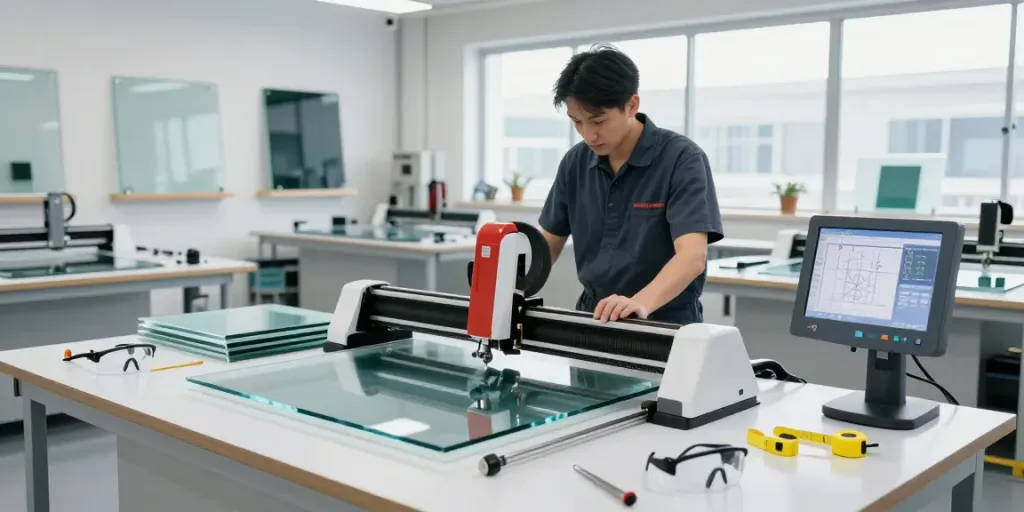
Historically, glass cutting involved manual tools which required significant skill and precision. However, the advent of automated and CNC (computer numerical control) machines has transformed the industry. These machines offer higher accuracy and speed, reducing waste and improving overall productivity. As of 2026, many manufacturers are incorporating artificial intelligence (AI) and machine learning into their systems, enabling predictive maintenance and real-time adjustments during the cutting process.
Key Features of Modern Glass Cutting Machines
- Automation: Modern glass cutting machines feature automation capabilities that streamline the cutting process, enhancing efficiency and minimizing human error.
- Multi-Material Functionality: Some cutting machines are designed to work with various materials, including plexiglass and laminated glass, making them versatile for different applications.
- Precision and Accuracy: Advanced technologies, such as laser cutting and CNC machining, provide exceptional precision, allowing for intricate designs and complex shapes.
- Intuitive Software: User-friendly interfaces and software allow operators to program settings easily, monitor processes, and troubleshoot issues effectively.
Challenges Faced by Glass Cutting Machine Manufacturers
The industry faces several challenges, including fluctuating raw material prices, maintaining high quality standards, and keeping up with rapidly changing technological advancements. Additionally, manufacturers must navigate stringent regulatory requirements, which vary by region. To remain competitive, manufacturers are focusing on innovation and adaptability, ensuring their machines meet both current demands and future trends.
Evaluating Glass Cutting Machine Manufacturers
Choosing the right glass cutting machine manufacturer is crucial for the success of any business in the glass processing industry. A diligent evaluation process can help ensure that you partner with a reputable company that meets your specific needs.
Criteria for Selecting a Reliable Manufacturer
- Experience: Look for manufacturers with a proven track record in the industry. Experience often correlates with reliability and product quality.
- Technology: Assess the technology employed by the manufacturer. Cutting-edge technology can enhance performance and efficiency.
- Support Services: Reliable customer support and training services are essential, especially when implementing new machinery into a workflow.
- Customization Options: A manufacturer that offers customized solutions can better meet the unique needs of your business.
Comparative Analysis of Leading Glass Cutting Brands
When evaluating glass cutting machine brands, it's essential to conduct a comparative analysis. Consider factors such as performance, reliability, and pricing. Leading brands often invest significantly in research and development, translating to innovations that benefit their users. This analysis should also include user reviews and testimonials, offering insight into the experiences of other businesses that have utilized their machines.
Understanding Manufacturer Certifications and Standards
Certifications and industry standards play a critical role in assessing a manufacturer’s credibility. Look for ISO certifications or adherence to safety and quality standards relevant to the glass cutting industry. These certifications indicate a commitment to quality and customer satisfaction, providing added assurance when selecting a manufacturer.
Best Practices for Operating Glass Cutting Machines
Operating glass cutting machines requires a blend of technical skill and adherence to safety protocols. Implementing best practices can significantly enhance the efficiency and longevity of the equipment.
Essential Safety Protocols in Glass Cutting
- Personal Protective Equipment (PPE): Always wear appropriate protective gear, including safety glasses and gloves, to reduce the risk of injury.
- Machine Maintenance: Regular maintenance checks should be conducted to ensure machines are functioning optimally and safely.
- Training: Operators should undergo thorough training on machinery operation and safety protocols to minimize workplace accidents.
Maintenance Tips to Ensure Longevity of Machines
Proper maintenance is crucial for extending the lifespan of glass cutting machines. Regular cleaning, lubrication, and timely replacement of worn parts can prevent breakdowns and keep productivity levels high. Additionally, developing a scheduled maintenance plan can help anticipate and address potential issues before they arise.
Common Mistakes to Avoid While Using Glass Cutters
Operators should be aware of common pitfalls, such as using the wrong cutting speed or neglecting to calibrate the machine before use. Understanding material properties and adhering to manufacturer guidelines can help avoid costly errors and improve overall cutting performance. Continuous training and updates on best practices are vital for operators to stay informed and efficient.
Cost Analysis and Investment in Glass Cutting Technology
Investing in glass cutting technology involves a careful analysis of costs and potential returns. Businesses must be equipped with adequate information to make informed financial decisions regarding machinery purchases.
Breakdown of Costs for Various Glass Cutting Machines
The initial investment for glass cutting machines can vary widely based on features, automation levels, and brand. Basic models may start around a few thousand dollars, while advanced CNC systems can exceed $100,000. It's essential to understand the total cost of ownership, including maintenance, software updates, and operational expenditures.
Evaluating Return on Investment in Glass Manufacturing
Calculating the ROI of glass cutting machines involves assessing productivity gains, quality improvements, and waste reductions. A detailed analysis can reveal how quickly a machine can pay for itself through increased efficiency and reduced operational costs. Tracking production metrics over time can provide valuable insights into the effectiveness of the investment.
Financial Assistance and Investment Opportunities
For businesses looking to invest in glass cutting technology, various funding options are available. Government grants, loans, and private investors can provide financial assistance. Additionally, some manufacturers offer leasing options, making high-end machinery more accessible to companies looking to upgrade their technologies.
Future Trends in Glass Cutting Manufacturing
As we look toward the future, several trends are shaping the glass cutting manufacturing landscape. Staying ahead of these trends will be crucial for manufacturers and users alike.
Innovations on the Horizon for Glass Cutting Machines
Future innovations may include advanced robotics, enhanced AI integrations, and improved software capabilities that allow for smarter manufacturing processes. The emphasis will likely be on achieving greater automation while maintaining accuracy and flexibility.
Predicted Market Changes for 2026 and Beyond
The glass cutting industry is expected to expand significantly due to rising demand in construction, automotive, and electronics sectors. Manufacturers must adapt to these changes by investing in scalable solutions that meet diverse market needs.
The Role of Automation and AI in Glass Manufacturing
Automation is set to play a pivotal role in glass manufacturing, reducing labor costs while enhancing efficiency. AI-driven analytics will provide insights into production processes, allowing for real-time adjustments and predictive maintenance, ultimately leading to improved operational efficiencies.
Who makes the best glass cutter?
While there are many reputable brands in the market, the "best" glass cutter often depends on specific application needs, budget, and performance metrics. It’s essential to evaluate each option based on your operational requirements.
How much does a glass cutting machine cost?
The price range for glass cutting machines can differ significantly, with basic models starting from a few thousand dollars, while advanced automated units can reach well over $100,000.
Can I use WD-40 as glass cutting oil?
WD-40 is not designed for use as cutting oil for glass. Instead, specialized cutting oils or lubricants are recommended to ensure optimal performance and to minimize friction during the cutting process.
Is there a machine that cuts glass?
Yes, there are numerous machines specifically designed for glass cutting, ranging from hand-held tools to large-scale industrial machinery, equipped with various technologies such as CNC and laser cutting.
What are the benefits of CNC glass cutting machines?
CNC glass cutting machines enhance precision, reduce waste, and improve overall production efficiency. They allow for complex patterns and designs to be cut with consistent quality and minimal manual intervention.