Understanding Precision CNC Machining
Precision CNC machining is a cornerstone of modern manufacturing, enabling industries to produce intricate parts with unparalleled accuracy. In an age where tight tolerances and high-quality finishes are non-negotiable, understanding the nuances of this service is critical for businesses aiming to maintain a competitive edge. As a precision cnc machining supplier, Honscn has been delivering precise, high-quality machined components since 2003, adapting to the evolving demands of various industries.
What is Precision CNC Machining?
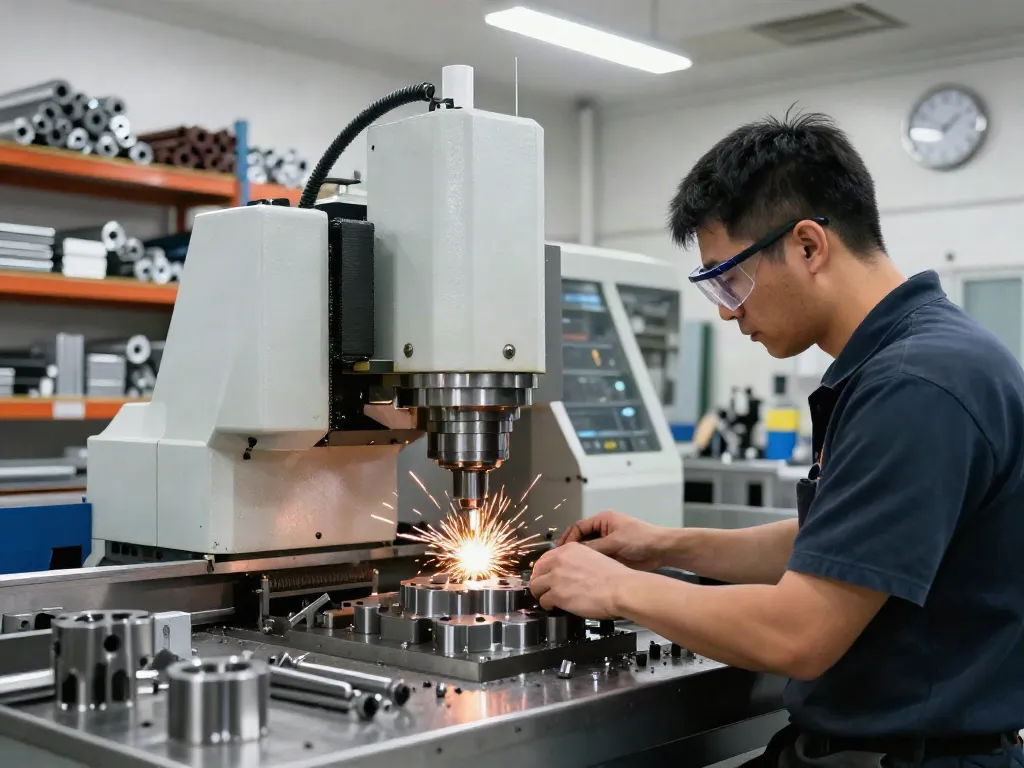
At its core, precision CNC machining refers to the process of using computer-controlled machines to fabricate parts from a variety of materials. This technology leverages computer-aided design (CAD) to create precise specifications that guide machining processes such as milling, turning, and grinding. The result is components that exhibit superior consistency and quality, which is essential for applications in high-demand sectors such as aerospace, automotive, and healthcare.
Key Technologies in CNC Machining
The landscape of CNC machining is continuously evolving, incorporating innovative technologies to enhance precision and efficiency. Some of the key advancements include:
- 5-Axis Machining: This allows for complex geometries to be machined in a single setup, reducing production time and increasing accuracy.
- Advanced Tooling: The use of high-performance tools can significantly improve the machining process by enhancing the quality of the final product.
- Automation and Robotics: Automated systems can streamline production, ensuring that high volumes of parts are manufactured with minimal human intervention.
Benefits of Precision Machining Services
Investing in precision CNC machining services offers numerous benefits for manufacturers, including:
- Improved Accuracy: Precision machining produces parts with tighter tolerances compared to traditional machining techniques.
- Cost-Effectiveness: While the initial setup costs can be high, the long-term savings from reduced scrap rates and increased efficiency are significant.
- Versatility: CNC machines can work with a variety of materials, including metals, plastics, and composites, making them suitable for diverse applications.
Choosing the Right Precision CNC Machining Supplier
Selecting a reliable CNC machining supplier is crucial for ensuring the quality and consistency of your parts. Here are key factors to consider:
Identifying Supplier Credentials and Experience
Experience in the field is a vital indicator of a supplier's ability to meet quality standards. A reputable supplier will have a history of successful projects and satisfied clients. Look for certification to industry standards such as ISO 9001, which assures that the supplier adheres to quality management principles.
Evaluating Technological Capabilities
Assess the supplier's machinery and capabilities. The latest CNC machines offer enhanced precision and efficiency, which can directly impact the quality of your parts. A supplier with state-of-the-art equipment will typically be more adept at handling complex projects.
Assessing Quality Assurance Practices
Quality assurance is critical in precision machining. Ensure your supplier employs strict quality control measures, including regular inspection and testing of components, to maintain high standards throughout the production process. Techniques such as Statistical Process Control (SPC) can also help in monitoring production quality.
Applications of Precision CNC Machining Across Industries
Precision CNC machining finds applications across various industries, each with unique requirements that showcase the versatility of this technology.
Aerospace and Automotive Applications
In the aerospace industry, components must meet stringent regulations for safety and performance. Precision CNC machining allows for the fabrication of complex parts, such as turbine blades and aircraft structural components, which require exacting specifications. Similarly, in the automotive sector, precision-machined parts are essential for engine components, transmission systems, and safety features.
Medical Device Manufacturing
The medical industry relies heavily on precision machining for the production of devices that require high reliability and strict compliance with health standards. Components such as surgical instruments, implants, and diagnostic equipment benefit from the accuracy and repeatability enabled by CNC machining.
Consumer Electronics Sector Trends
As technology advances, the demand for precision components in consumer electronics is on the rise. From casings to intricate circuit board housings, precision CNC machining allows manufacturers to produce lightweight, durable parts that meet the performance criteria of modern devices.
Best Practices for Efficient CNC Machining
To maximize the benefits of CNC machining, manufacturers should implement best practices that enhance efficiency and quality.
Effective Communication with Suppliers
Clear communication with your CNC machining supplier is essential. This includes providing detailed specifications and timely feedback regarding prototypes and samples. A collaborative approach can lead to improved outcomes and reduced errors.
Managing Production Timelines
Establishing realistic timelines for production is vital to maintaining project momentum. Consider factors such as material availability and machine capacity when setting deadlines. Regular updates from suppliers can facilitate better planning and resource allocation.
Quality Control Techniques
Implementing rigorous quality control measures throughout the manufacturing process is critical. Techniques such as in-process inspection, and post-production testing ensure compliance with specifications and industry standards, which ultimately leads to higher customer satisfaction.
Future Trends in Precision CNC Machining
The field of CNC machining is rapidly evolving, influenced by technological advancements and market demands. Here are some trends expected to shape the future:
The Role of Automation in Machining
Automation is set to play a key role in CNC machining, enhancing productivity and reducing the potential for human error. Automated systems can operate around the clock, drastically increasing output and efficiency without sacrificing quality.
Emerging Materials and Technologies for 2026
As industries explore new possibilities, emerging materials such as advanced composites and 3D printing technologies are gaining traction. The integration of these materials into CNC machining processes will likely expand the capabilities of manufacturers, allowing for innovative solutions and products.
Environmental Considerations in CNC Machining
With increasing awareness of environmental issues, manufacturers are being called to adopt more sustainable practices. Waste reduction strategies, efficient energy use, and the recycling of materials are becoming essential components of modern CNC machining operations.
What are the main benefits of CNC machining?
The primary benefits of CNC machining include increased accuracy, flexibility in manufacturing, and the ability to produce complex shapes that would be difficult or impossible with manual machining.
How to select a precision CNC machining supplier?
Selecting a precision CNC machining supplier involves assessing the supplier's experience, technological capabilities, and quality assurance processes to ensure alignment with your project needs.
What industries benefit most from CNC machining?
CNC machining is beneficial across various industries, particularly aerospace, automotive, medical, and electronics, where precision and reliability are critical.
What technologies are involved in CNC machining?
Technologies involved in CNC machining include CAD/CAM software, automated inspection systems, and advanced machining centers that can perform multiple operations in a single setup.
What trends should we watch in CNC machining by 2026?
Key trends to watch include advancements in automation, the adoption of smart manufacturing technologies, and an increased focus on sustainability within the industry.