Understanding TradingView: A Comprehensive Overview
In the rapidly evolving landscape of financial markets, traders and investors are continuously seeking tools that not only streamline their analytical processes but also enhance their decision-making capabilities. TradingView emerges as a powerful platform that marries intuitive design with robust analytical tools, serving both novice and seasoned traders alike. This article will delve into the intricacies of TradingView, exploring its features, functionalities, and the unique advantages it offers to its users.
What is TradingView and Its Core Functionality?
TradingView is a cloud-based platform that provides advanced charting capabilities, market insights, and social networking features for traders and investors across various asset classes including stocks, forex, cryptocurrencies, and derivatives. At its core, TradingView combines technical analysis tools with a vibrant community of traders, facilitating both individual research and collaborative learning. Users can create custom charts, apply various technical indicators, and share their analyses with a global audience, making it an invaluable resource for market research.
Key Features of TradingView That Enhance Trading Experience
- Advanced Charting Tools: TradingView supports a wide range of chart types and customizations, enabling traders to visualize price movements effectively.
- Pine Script: A unique scripting language that allows users to create custom indicators and strategies, enhancing the platform's functionality.
- Alerts and Notifications: Users can set up price alerts and technical indicator alerts, ensuring they never miss significant market movements.
- Community Insights: The platform features a robust social network where traders can share ideas, strategies, and analyses, fostering a culture of collaborative trading.
- Integrated Economic Calendar: Access to real-time economic updates helps traders align their strategies with macroeconomic events.
Common Misconceptions About TradingView Explained
Despite its rising popularity, several misconceptions about TradingView persist. One common belief is that the platform is only suitable for experienced traders. In reality, TradingView is designed to cater to all skill levels, offering an intuitive interface for beginners while providing advanced tools for professional traders. Another misconception is that it is solely a charting tool; however, its comprehensive suite of features, including community engagement, alerts, and backtesting capabilities, make it a complete trading solution.
Setting Up Your TradingView Account for Success
Creating Your First TradingView Account Step-by-Step
Getting started with TradingView is straightforward. To create your account, visit the TradingView website and select the "Sign Up" button. You can register using an email address, Google account, or Facebook account. After verifying your email, you will have access to the platform's basic features. For enhanced functionalities, consider opting for a paid subscription, which unlocks additional tools and features.
Customizing Your Workspace: Layouts and Themes
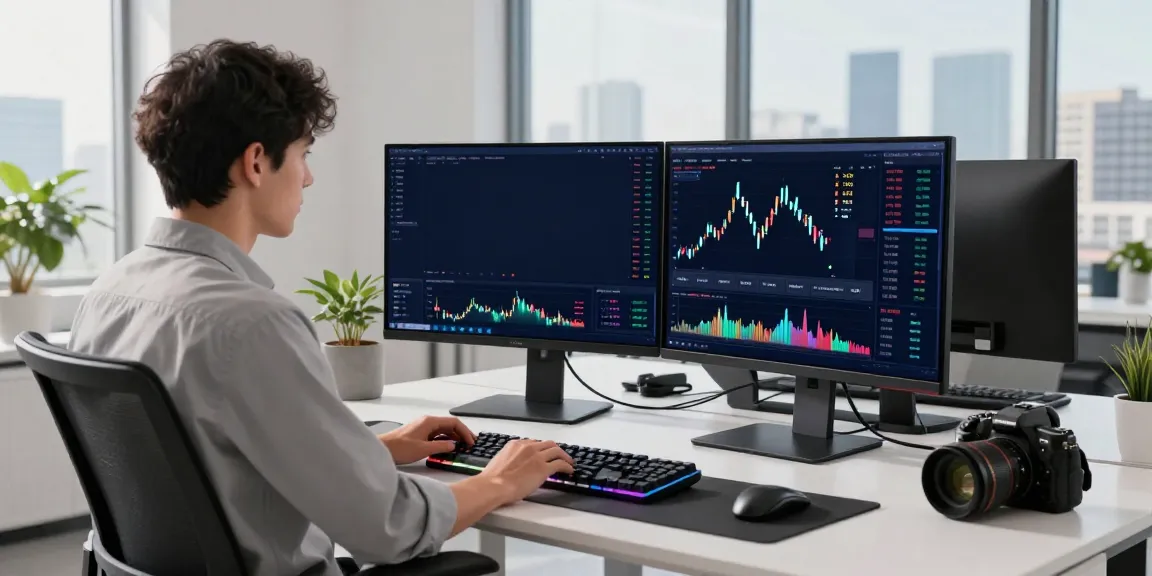
Once your account is set up, the next step is to customize your workspace. TradingView allows users to modify layouts, choose preferred color themes, and arrange multiple chart views on a single screen. This personalization ensures that your trading environment is aligned with your preferences, enhancing comfort and efficiency during analysis.
Essential Settings to Optimize Your Trading Environment
To optimize your TradingView experience, adjust the settings to suit your trading style. This includes setting up default timeframes, customizing alerts, and modifying notification preferences. Additionally, integrating your preferred trading strategies and indicators into your default setup can streamline your analysis process significantly.
Utilizing TradingView Tools for Effective Market Analysis
Leveraging Charting Tools for In-Depth Analysis
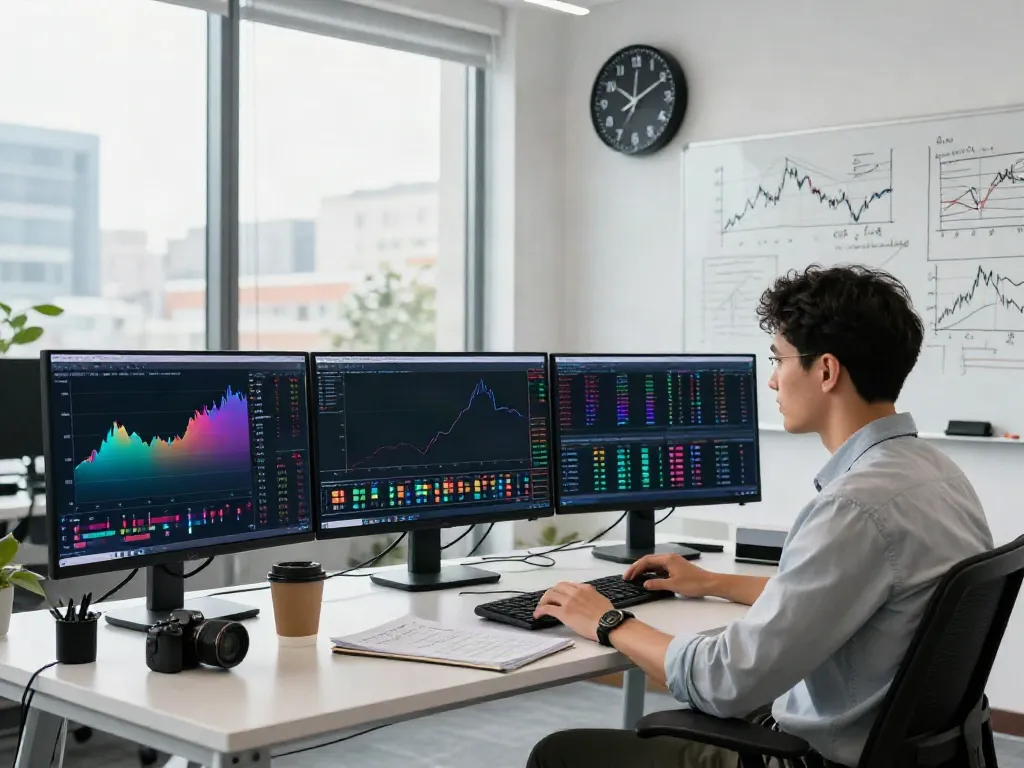
TradingView’s robust charting capabilities are one of its standout features. Users can choose from various technical indicators such as Moving Averages, Bollinger Bands, and MACD to analyze price movements. The platform allows for unlimited customization of charts, enabling traders to highlight significant data points and trends effectively. Utilizing these tools can aid in making informed trading decisions, increasing the likelihood of success in volatile markets.
Setting Up Alerts and Notifications for Market Movements
Effective trading often hinges on timely execution. TradingView’s alert system allows users to set notifications based on price levels, technical indicators, and other market conditions. These alerts can be delivered via email or mobile app notifications, ensuring that traders are informed in real-time about market changes relevant to their trades.
Integrating Economic Calendars and News into Your Strategies
The integration of economic calendars into TradingView enhances the platform’s analytical capabilities. Traders can overlay significant economic events on their charts, helping them to anticipate market reactions. This feature is crucial for developing strategies that account for upcoming market volatility due to economic reports or geopolitical events.
Enhancing Your Trading Strategy with TradingView
Building and Testing Trading Strategies Using Pine Script
Pine Script is one of TradingView’s most powerful features, enabling users to create custom indicators and strategies. Traders can write their own scripts to backtest trading strategies against historical data, allowing them to gauge the effectiveness of their approach before entering live trades. This capability fosters a more disciplined trading practice by emphasizing strategy over random decision-making.
Benefits of Community Insights and Shared Ideas on TradingView
The community aspect of TradingView significantly enhances its value. Users can access a vast library of public scripts and trading ideas shared by other traders. Engaging with this community provides insights into different trading strategies and can inspire users to refine their approaches based on collective knowledge and experience.
Analyzing Historical Data to Improve Future Trading Decisions
Access to historical market data is invaluable for developing and refining trading strategies. TradingView allows users to analyze past price movements, identify patterns, and test strategies over different market conditions. By understanding historical trends, traders can make more informed predictions about future price actions.
Future Trends and Innovations in Trading with TradingView
Emerging Technologies Shaping Trading Platforms by 2026
The trading landscape is poised for significant transformation by 2026, driven by advancements in technology such as artificial intelligence, machine learning, and blockchain. TradingView is at the forefront of this revolution, integrating these technologies to enhance user experience and analytical capabilities.
How AI and Machine Learning Will Influence Trading Strategies
Artificial intelligence and machine learning are set to redefine algorithmic trading, with TradingView likely incorporating these advances to provide users with smarter trading tools. This could include predictive analytics, automated trading strategies, and personalized insights based on user behavior and market trends.
Predictions for TradingView's Role in Market Evolution
As the trading ecosystem evolves, TradingView is expected to solidify its position as a leading platform by continuously innovating and expanding its features. By providing a comprehensive suite of tools that address the needs of a diverse user base, TradingView is likely to remain a crucial player in the future of trading.
What Makes TradingView a Go-To Platform for Traders?
Ultimately, TradingView’s combination of advanced tools, community support, and user-friendly interface makes it a preferred choice for traders of all skill levels. By seamlessly integrating analysis, alerts, and strategic testing, it allows users to navigate the complexities of the financial markets with confidence and ease.