Understanding Financial Market Data Providers
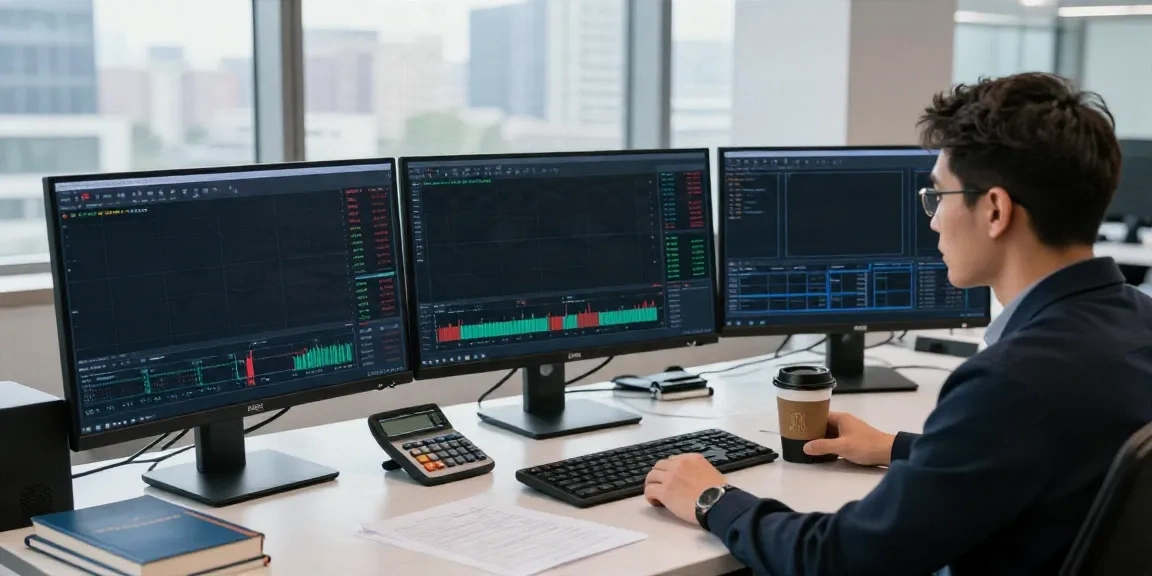
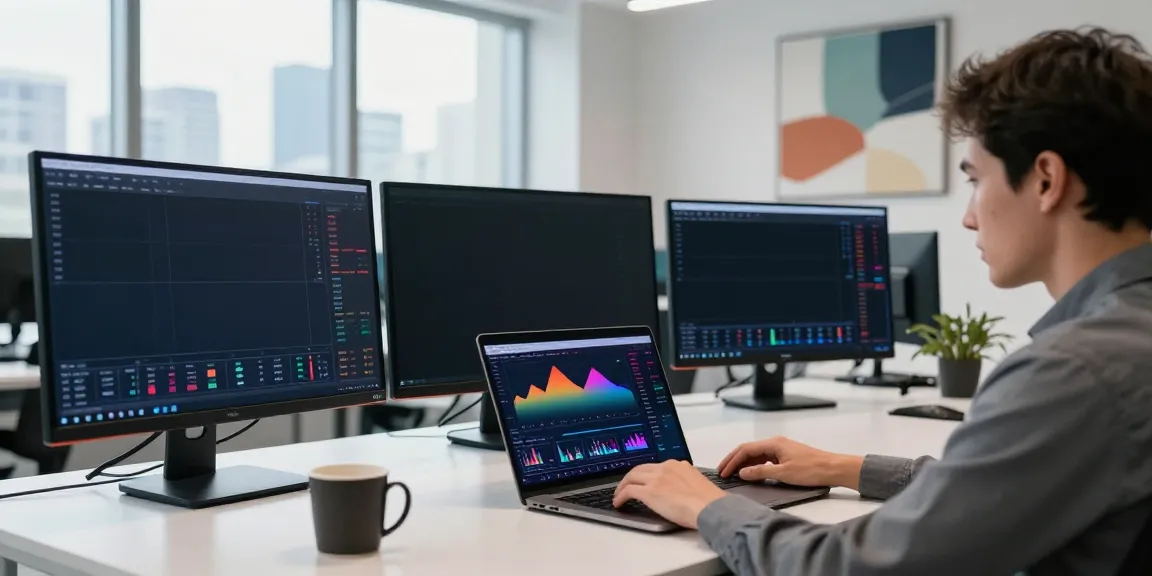
The world of finance has witnessed a seismic shift with the advent of blockchain technology and decentralized systems. Financial market data providers play an essential role in this ecosystem by offering real-time and historical data across various asset classes, including cryptocurrencies, stocks, and forex. As developers and institutions seek to leverage this data for algorithmic trading, quantitative analysis, and investment research, robust and accessible APIs become crucial tools. When exploring options, financial market data providers like iTick stand out for their low-latency solutions and comprehensive asset coverage.
What Is Financial Market Data?
Financial market data encapsulates a vast range of information that is crucial for analysts, traders, and financial institutions. This data can include price quotes, historical pricing, trading volumes, currency exchange rates, and news sentiments. In the context of blockchain and cryptocurrency markets, it represents the value and performance of various digital assets, often updated in real time to reflect active market conditions.
Types of Data Offered
Data providers typically offer various data types critical for different market participants:
- Real-Time Data: Instantaneous data regarding price movements, trade volumes, and order book depth, crucial for day traders and real-time trading systems.
- Historical Data: Past performance data over various timeframes, important for backtesting trading strategies and performing fundamental analysis.
- Sentiment Analysis: Aggregated market sentiment data sourced from social media, news articles, and forums to gauge market psychology.
- Exchange Data: Specifics from particular exchanges, including liquidity, trading fees, and regulatory compliance.
- Fundamental Data: Information covering economic indicators, earning reports, and corporate actions that can affect asset prices.
The Role of Data Providers in Crypto
In the rapidly evolving world of cryptocurrencies, data providers serve as intermediaries that deliver crucial insights on market performance. They enable traders to make informed decisions based on reliable statistics and trends. Furthermore, with decentralized exchanges (DEXs) and over-the-counter (OTC) trading gaining traction, the importance of real-time data has surged. With tools like WebSocket APIs, traders can achieve millisecond execution speeds that can significantly affect profitability.
Key Features of Effective Market Data APIs
Low-Latency Data Access
For traders, milliseconds can mean the difference between profits and losses. Therefore, the latency of data delivery is a core characteristic to consider when selecting a market data provider. Low-latency data enhances trading performance by providing the quickest access to market changes, which is crucial for high-frequency trading strategies and algorithmic models.
Comprehensive Coverage Across Asset Classes
Effective market data providers offer a wide spectrum of asset class coverage, enabling clients to access stocks, forex, cryptocurrencies, and commodities within a single API. This breadth allows developers to build diverse fin-tech applications that can adapt to various trading needs.
Data Formats and Integration Support
Another critical aspect is the format in which data is delivered. JSON and CSV are standard formats that simplify integration into numerous systems. Coupled with solid documentation and client libraries, developers benefit significantly from a streamlined implementation process.
Evaluating the Best Financial Market Data Providers
Criteria for Choosing Data Services
When assessing data service providers, one should consider several key criteria:
- Reliability: Uptime statistics and user reviews can provide insights into the provider's reliability.
- Coverage: The variety of asset classes covered and the depth of each category.
- Cost: Evaluate pricing plans and overall value according to specific use-case requirements.
- Support and Resources: Quality of customer support and availability of tutorials and onboarding documentation.
Comparative Analysis of Top Providers
Various providers like Bloomberg, Reuters, and the new generation of blockchain-native firms present unique trade-offs. For example, traditional providers may offer extensive databases but at a steep price and with slower integration processes, while newer platforms like iTick promise both value and speed.
User Reviews and Community Feedback
User feedback can be an invaluable resource. Reviews from communities such as Reddit and specialized fin-tech forums can shed light on real-world experiences of using these platforms, offering insights into strengths and weaknesses that go beyond marketing claims.
Regulatory Compliance and Market Data
Overview of Regulations in 2026
The regulatory landscape surrounding financial markets has become increasingly complex as governments adapt to rapid technological advancements. By 2026, it is anticipated that regulations will tighten, particularly around crypto assets. Institutions will need to comply with frameworks such as the SEC's regulations regarding the classification of tokens and the CFTC's oversight over derivatives related to digital assets.
Data Protection and User Privacy
In light of rising data breaches and privacy concerns, providers must adhere to regulations like GDPR and other locality-based laws. This ensures that user data is safeguarded, and that users trust the systems being employed for financial transactions or asset management.
Staying Compliant in Your Crypto Operations
It’s essential for businesses and developers to understand compliance as a moving target. One may benefit from consulting financial advisors to ensure that any deployment of financial data solutions adheres to local and international laws regarding data protection and financial operations.
Future Trends in Market Data Services
Evolving Technologies in Data Provisioning
As technology advances, so too do the methodologies for data collection, analysis, and distribution. Developments such as AI-driven third-party aggregators are set to reshape how real-time data is harvested and utilized.
The Impact of AI and Machine Learning
Incorporating machine learning algorithms into market data provision will allow for predictive analytics and more sophisticated data interpretations. This can lead to better trading strategies based on historical patterns, helping traders enhance their decision-making processes.
Predictions for Market Data Providers
As financial assets become increasingly tokenized and grant access to decentralized finance (DeFi) mechanisms, data providers will need to offer tools to handle liquidity pools and the associated metrics. Enhanced integrations with blockchain technologies will be paramount for keeping up with the demand for real-time decentralized data.
What are the top financial market data providers?
Identifying leading financial market data providers can depend on specific needs such as data types or asset classes. Big names include Bloomberg and Refinitiv, but new entrants like iTick are carving out a niche by offering high-speed, accessible APIs tailored for cryptocurrency traders.
How do I select a reliable data vendor?
The selection process should begin with a clear understanding of your data needs followed by evaluations based on pricing, uptime, and customer support. Trialing a service can also yield insights into usability and real-time performance.
What should I consider regarding data accuracy?
Data accuracy is paramount in financial markets. Look for providers with well-established reputations and those who have proven historical performance, along with detailed reporting standards that ensure the reliability of the data being provided.
How can market data impact my trading strategies?
Robust market data plays a crucial role in formulating effective trading strategies. By utilizing accurate, real-time data, traders can employ technical analysis tools, such as moving averages and trend indicators, to make data-driven decisions.
Are there free financial market data providers?
Yes, several data providers offer free tiers, albeit usually with limited capabilities. Platforms like Alpha Vantage and iTick provide access to some real-time data without cost, making them attractive to new traders and researchers.
DeFi & Advanced Topics
Explaining DeFi Protocols and Mechanisms
Decentralized Finance, or DeFi, has emerged as a pioneering sector within blockchain technology. DeFi protocols operate without traditional intermediaries, allowing for services like lending, borrowing, and trading directly on blockchain networks through smart contracts. This innovation enables features such as liquidity pools and yield farming, which facilitate increased participation in the ecosystem.
Smart Contracts and dApp Development
Smart contracts, fungible and non-fungible tokens deployed on platforms like Ethereum and Solana, automate transaction conditions and facilitate trustless interactions. Developers are increasingly turning to Solidity and the Ethereum Virtual Machine (EVM) for building decentralized applications (dApps) that bring real-world functionalities to the blockchain.
Layer-2 Scaling Solutions
With the growing number of transactions choking networks like Ethereum, Layer-2 solutions such as rollups and sidechains are becoming critical for scaling. They allow for off-chain transactions that battle issues of scalability while retaining the security benefits of the underlying blockchain network.
Security Threats & Risk Management
Common Security Threats
While the blockchain is lauded for its security features, users remain susceptible to threats such as phishing attacks, ransomware, and 51% attacks. Education on identifying suspicious activities and ensuring robust security practices is vital for asset protection.
Risk Mitigation Strategies
To mitigate risks, users should deploy rigorous security measures including the use of hardware wallets, employing two-factor authentication, and remaining vigilant against scam techniques prevalent within the crypto space.
Content Quality & Depth
To achieve deep understanding and successful engagements in the financial data realm, both technical accuracy and practical insights are indispensable. Individuals should leverage comprehensive tutorials, comparative analyses, and solid case studies to navigate the complexities of trading, investing, and regulatory compliance.
SEO Optimization
In today's digital landscape, optimal visibility through SEO practices is critical. By incorporating both general and long-tail keywords related to financial markets and crypto investments, individuals can attract the right audience to their platforms.