Understanding Sports Massage at Home
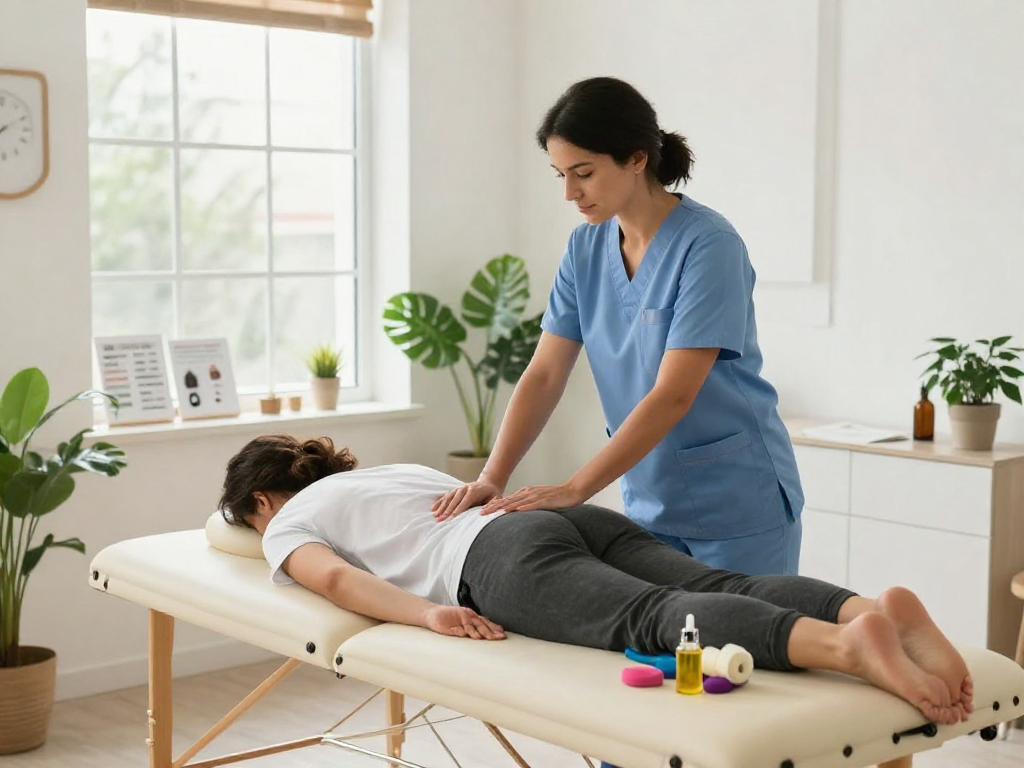
Sports massage at home is an invaluable service that tailors physiotherapeutic techniques to the unique needs of active individuals. Rather than navigating the stress of traveling to a clinic, patients can benefit from the convenience and comfort of receiving therapeutic treatment in their own environment. These personalized sessions are designed to address specific concerns such as pain relief, muscle recovery, and improved athletic performance, all while ensuring a relaxing experience that promotes overall wellbeing. At Revive Physiotherapy, we offer comprehensive options for sports massage at home, focusing on helping our clients thrive in their health journeys.
The Benefits of At-Home Sports Massage for Recovery
The primary advantage of at-home sports massage is the convenience it provides. Scheduling a session within your comfort zone means that you can fully engage and unwind without worrying about travel logistics. This service is particularly beneficial for athletes undergoing rehabilitation or for those with mobility challenges. Furthermore, the personalized nature of home visits enhances the effectiveness of the treatment, allowing practitioners to adapt their techniques based on a detailed assessment of your specific needs and surroundings.
Among the scientifically recognized benefits of sports massage are:
- Enhanced recovery: Sports massage accelerates muscle recovery from strenuous activity by increasing circulation and reducing lactic acid buildup in the muscles.
- Pain relief: Targeted pressure applied to specific muscle groups can alleviate pain, helping individuals manage chronic discomfort associated with sports injuries or overuse.
- Improved flexibility: Regular massage encourages greater flexibility and range of motion, which can enhance athletic performance and reduce injury risks.
- Stress reduction: The relaxing aspect of massage can promote mental wellbeing, helping athletes maintain focus and motivation.
Evidence-Based Techniques Used by Professionals
Practitioners specializing in sports massage utilize a variety of evidence-based techniques tailored to the unique needs of each individual. Common methods include:
- Swedish Massage: This technique uses long strokes, kneading, and circular movements to relax the entire body. It's effective in reducing muscle tension.
- Deep Tissue Massage: Targeting deeper layers of muscle and connective tissue, this method is beneficial for chronic pain and injury recovery.
- Myofascial Release: This technique focuses on relieving tension in the fascia, or connective tissue, helping to restore movement and alleviate pain.
- Trigger Point Therapy: This method addresses specific points of tightness in muscles, working to release tension and improve function.
Research indicates that these techniques can significantly enhance recovery outcomes, particularly when integrated into a comprehensive treatment plan.
What to Expect During Your At-Home Session
At Revive Physiotherapy, we ensure that every at-home sports massage session is tailored to our patients’ specific requirements. During your initial consultation, your therapist will conduct a comprehensive assessment, reviewing your medical history and discussing your specific goals and areas of discomfort.
Each session typically lasts between 60 to 90 minutes and includes:
- Initial assessment: Understanding your needs and setting treatment goals.
- Personalized treatment: Using techniques that address your specific conditions and preferences.
- Post-treatment guidance: Recommendations on post-massage care and home exercises to maintain progress.
The overall goal is to provide an accessible and effective treatment experience that maximizes your recovery and enhances your physical performance.
Choosing the Right Physiotherapist for Home Massage Services
Finding the right mobile physiotherapist for home massage services is crucial for ensuring effective treatment and a positive experience. The qualities and credentials of a physiotherapist significantly influence the effectiveness of the care you receive.
Questions to Ask Your Healthcare Provider
When selecting a physiotherapist, consider asking the following questions to ensure you are making an informed choice:
- What is your experience with sports massage therapy? A practitioner with specific training in sports massage will be more adept at addressing athletic concerns.
- Are you registered with a recognized physiotherapy organization? Verification of their professional credentials can offer peace of mind regarding their qualifications.
- Can you provide references or testimonials from other clients? Hearing from past patients can give insights into their approach and effectiveness.
Understanding Qualifications and Certifications
In Australia, physiotherapists must complete a degree and be registered with the Physiotherapy Board of Australia to practice. When choosing a physiotherapist, inquire if they have additional certifications in sports massage. Specialized training indicates a commitment to mastering specific techniques that can yield better recovery outcomes.
Signs of a Trustworthy Mobile Physiotherapy Service
Look for key indicators that a physiotherapy service is reliable and professional. These include:
- Transparent communication: They should clearly indicate their services, fees, and policies.
- Professional demeanor: A trustworthy physiotherapist will maintain professionalism and respect for patient boundaries.
- Positive reviews: Patient feedback can provide valuable insight into others' experiences with the service.
Integrating Sports Massage into Your Health and Wellness Routine
Incorporating sports massage into your overall health and wellness routine can significantly enhance both recovery and performance. Understanding how to maximize the benefits of these sessions is essential for athletes and active individuals.
Combining Massage with Exercise for Maximum Effect
For optimal results, it’s best to pair massage therapy with a structured exercise routine. Regular physical activity encourages muscle strength and flexibility, while massage aids in recovery, so these practices should complement each other. Scheduling sports massage sessions around your training regimen can help soothe fatigue and prevent injuries, making them an integral part of a balanced fitness strategy.
Recovery Strategies for Athletes and Active Individuals
Alongside sports massage, consider implementing these recovery strategies:
- Active rest: Engage in light activity on days off to encourage circulation without overexertion.
- Focus on stretching: Regular stretching enhances flexibility and prepares muscles for recovery.
- Prioritize sleep: Quality sleep is essential for recovery; aim for 7-9 hours per night.
Nutrition and Hydration: Key Factors for Successful Recovery
A well-balanced diet and proper hydration play critical roles in muscle recovery. After intensive training, consume a mix of proteins and carbohydrates to aid the rebuilding process. Hydration helps avoid muscle cramps and fatigue, so maintain adequate fluid intake throughout the day, particularly before and after physical activity.
Insurance and Payment Options for Mobile Physiotherapy
Understanding the financial aspects of mobile physiotherapy services is essential for patients. Awareness of insurance options can significantly lessen the burden of healthcare costs.
Understanding NDIS and Medicare Coverage for Home Services
In Australia, the National Disability Insurance Scheme (NDIS) provides funding for individuals with disabilities to access necessary services, including physiotherapy. It's essential to communicate with your physiotherapist about NDIS guidelines to maximize your benefits. Similarly, Medicare may cover physiotherapy services when referred by a general practitioner under certain programs, so explore this option if it applies to you.
How to Navigate Healthcare Costs for Physiotherapy
When navigating healthcare costs, keep the following in mind:
- Inquire about service fees: Ensure you understand the costs associated with your treatment before proceeding.
- Check insurance eligibility early: Familiarize yourself with your insurance plan to understand what services are covered and any out-of-pocket expenses.
- Consider package deals: Some providers may offer discounted packages for multiple sessions, which can make treatment more affordable.
Affordable Alternatives and Packages Available
At Revive Physiotherapy, we believe in making quality care accessible. We offer a variety of service packages tailored to meet different needs and budgets, including options for those on NDIS and Medicare. Reach out to discuss the most beneficial package for your situation.
Success Stories: Real Patient Experiences with Sports Massage at Home
Feedback from our patients demonstrates the effectiveness of mobile physiotherapy and sports massage in transforming health outcomes. Here, we share compelling stories of how our services have made a difference.
Case Studies: Transformations Through Mobile Physiotherapy
We have numerous case studies highlighting how individuals have successfully used sports massage at home to manage injuries and improve overall health. For instance, one local athlete regained full range of motion within weeks after incorporating personalized massage sessions into their rehabilitation plan. Such success underscores the importance of tailored treatment approaches.
Personal Testimonials Highlighting Quality of Care
Many patients have praised the quality of care they received during their home massage sessions. Testimonials often reflect on how our skilled physiotherapists take the time to understand individual concerns and needs, emphasizing the welcoming and supportive environment provided throughout each treatment.
How Physiotherapy at Home Supports Long-Term Wellness Goals
Ultimately, our mobile physiotherapy services are designed not just for short-term benefits but also to support long-term wellness goals. Patients who commit to regular sessions typically experience sustained improvements in both physical and mental health. The continuity of care encourages ongoing communication between patients and therapists, fostering an environment where individuals feel empowered to maintain their health and wellbeing over time.