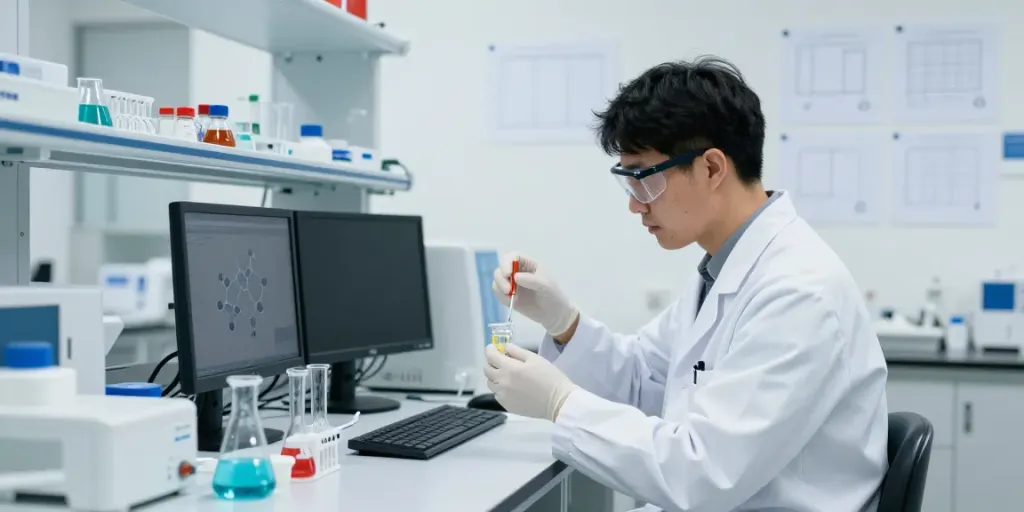
Understanding snap8: Composition and Mechanisms
In the realm of scientific research, particularly in the field of cosmetic and dermatological studies, snap8 has emerged as a pivotal peptide known for its anti-aging properties. This peptide, scientifically recognized as Acetyl Octapeptide-3, mimics the action of botulinum toxin without the need for invasive procedures, effectively reducing fine lines and wrinkles. By understanding the snap8 peptide's composition and mechanisms, researchers can unlock its full potential in their studies and applications.
What is snap8 and How Does it Work?
snap8 is a synthetic peptide that is derived from the proteins found in the body, specifically designed to relax facial muscles and reduce the appearance of wrinkles. It operates primarily by inhibiting the excessive release of neurotransmitters that trigger muscle contractions. When applied topically, snap8 provides notable improvements in skin texture, minimizing the visibility of expression lines over time.
The Biological Mechanism Behind snap8 Peptides
At the molecular level, snap8 acts upon the synaptic protein SNAP-25, which is involved in acetylcholine release at nerve terminals. By mimicking the action of this protein, snap8 effectively inhibits the over-activation of muscles that lead to wrinkles. This characteristic allows researchers to explore new avenues in wrinkle reduction therapies and skin rejuvenation protocols.
Comparative Analysis: snap8 vs. Other Peptides
While snap8 is often compared to other peptides such as Argireline and Matrixyl, its unique mechanism sets it apart. Argireline, another popular anti-aging peptide, similarly targets muscle contraction but may not offer the same level of muscle relaxation as snap8. In contrast, Matrixyl promotes collagen synthesis, making it more focused on skin repair than muscle inhibition. The distinct functions of these peptides enable researchers to choose the right compound based on specific research objectives.
Application of snap8 in Research Settings
The uses of snap8 in research are extensive, yielding significant insights into its biological effects and therapeutic potential. Researchers often employ snap8 in various biochemical studies, clinical trials, and cosmetic formulations to evaluate its efficacy in reducing signs of aging.
Common Uses of snap8 in Biochemical Studies
Common applications for snap8 include:
- Topical anti-aging treatments to assess skin hydration and elasticity.
- Studies investigating muscle contraction inhibition in cosmetic applications.
- Research on peptide stability and efficacy in various delivery systems.
Experimental Protocols for snap8 Application
Researchers typically follow specific protocols when integrating snap8 into their studies. For instance, a common experimental design may involve:
- Preparing the peptide solution at a standard concentration.
- Administering the solution to appropriate cell cultures or animal models.
- Utilizing imaging techniques to observe changes in skin texture and muscle activity.
Case Studies Demonstrating snap8 Effectiveness
Numerous case studies have documented the effectiveness of snap8. One notable study showed a significant reduction in wrinkle depth after eight weeks of consistent application. Researchers noted measurable improvements in skin hydration and overall texture, showcasing the peptide's potential in cosmetic formulations.
Quality Assurance and Testing of snap8 Products
When dealing with research-grade peptides, quality assurance is paramount. snap8 products must undergo rigorous testing and verification to ensure their safety and efficacy in research applications.
Importance of Certificate of Analysis for snap8
A Certificate of Analysis (CoA) is essential for any peptide product, including snap8. The CoA provides a comprehensive breakdown of the peptide's composition, purity, and potency, ensuring that researchers receive a product that meets their specifications.
Understanding ISO 17025 Testing Standards
ISO 17025 is an international standard that outlines the requirements for testing and calibration laboratories. Adherence to this standard ensures that laboratories are scientifically competent and reliable. For snap8 research, sourcing peptides from ISO 17025 accredited labs provides a layer of confidence that the product has undergone thorough evaluation and meets stringent quality criteria.
Best Practices for Sourcing snap8 Peptides
To ensure the highest quality of snap8 peptides, researchers should consider the following best practices:
- Always request a CoA from the supplier before purchase.
- Choose suppliers with a certified supply chain and robust quality control procedures.
- Opt for products that have undergone comprehensive testing for contaminants and impurities.
Challenges and Considerations When Using snap8
Like any research material, snap8 comes with its challenges. Researchers must navigate various considerations to avoid pitfalls in their studies.
Potential Side Effects and Misconceptions
While snap8 is generally considered safe for topical applications, misconceptions about its efficacy and potential side effects can arise. It's essential to recognize that the peptide is not a substitute for invasive procedures like Botox and should be viewed as a complementary treatment.
Common Pitfalls in snap8 Research Implementation
Common issues researchers face include:
- Improper dosing or administration techniques.
- Inadequate control groups in study designs.
- Failure to account for variations in skin type and condition among test subjects.
Adapting to Regulatory Standards for snap8 Research
Researchers must also ensure compliance with regulatory standards when conducting studies involving snap8. This includes adhering to guidelines set forth by the FDA regarding the use of peptides in research settings.
Future Trends for snap8 in 2026 and Beyond
The future of snap8 in research and cosmetic applications looks promising, with expectations for increased utilization and innovative applications.
Innovative Research Directions for snap8
Researchers are exploring novel delivery mechanisms for snap8 that enhance skin penetration and efficacy. New formulations may include innovative topical systems that optimize absorption and maximize results.
Market Predictions and Industry Growth for snap8
The demand for effective anti-aging solutions continues to grow, suggesting a robust market for snap8 products. Industry analysts predict significant growth in the peptide market, driven by consumer interest in non-invasive cosmetic treatments.
Emerging Technologies Enhancing snap8 Research
Advancements in biotechnology are expected to enhance the study and application of snap8. Techniques such as gene editing and personalized medicine may lead to tailored peptide therapies that address specific skin conditions more effectively.
What are the benefits of using snap8?
snap8 provides numerous benefits, including:
- Reduces the appearance of fine lines and wrinkles.
- Improves overall skin texture and elasticity.
- Offers a non-invasive alternative to traditional cosmetic procedures.
How to properly handle and store snap8 peptides?
Proper handling and storage are critical to maintaining the integrity of snap8. Peptides should be kept refrigerated, away from light and moisture, to prolong their shelf life and effectiveness. Additionally, always ensure that sterile techniques are employed during handling.
Are there any alternatives to snap8 available?
While snap8 is a unique peptide with specific properties, alternatives like Argireline and Matrixyl exist. Each peptide has its mechanism of action and application areas, allowing researchers to choose based on study goals.
Is snap8 safe for laboratory research?
Yes, snap8 is generally considered safe for laboratory research when sourced from reputable suppliers. However, researchers should always follow safety protocols and regulations when handling any peptide products.
What results can researchers expect from snap8?
Researchers can anticipate visible improvements in skin hydration, elasticity, and a reduction in fine lines with consistent application of snap8. Outcomes may vary based on formulation and individual responses, emphasizing the need for controlled studies.