Overview of Lung Cancer Treatment in the UAE
Lung cancer remains one of the most pressing health issues globally, and the United Arab Emirates (UAE) is no exception. With various forms and complex characteristics, lung cancer demands comprehensive strategies for identification and treatment. The Cleveland Clinic Abu Dhabi's Lung Cancer Program distinguishes itself through its evidence-based approach and commitment to patient-centered care. For individuals at risk, understanding the nuances of lung cancer treatment UAE can lead to early detection and tailored therapy that enhances survival outcomes.
Each year, lung cancer accounts for a significant number of new cancer diagnoses and deaths in the UAE, making effective treatment and early screening vital. As one of the most common cancers, it has various types and stages, each requiring specialized management strategies. Awareness and timely medical interventions can greatly enhance recovery chances, paving the way for innovative treatment protocols and holistic patient care.
Understanding Lung Cancer: Types and Stages
Lung cancer primarily manifests in two major forms: non-small cell lung cancer (NSCLC) and small cell lung cancer (SCLC). NSCLC is the most prevalent type, accounting for approximately 85% of all lung cancer cases, and typically progresses more slowly. In contrast, SCLC constitutes about 15% of lung cancers but is known for its rapid growth and tendency to metastasize quickly.
- Non-Small Cell Lung Cancer (NSCLC): This category includes adenocarcinoma, squamous cell carcinoma, and large cell carcinoma. Each type exhibits distinct behaviors, growth rates, and responses to treatment.
- Small Cell Lung Cancer (SCLC): Often associated with smoking, SCLC tends to be more aggressive and is diagnosed at a later stage, complicating treatment options.
Staging lung cancer is crucial for determining the appropriate treatment course. The stages range from Stage I (localized) to Stage IV (advanced), affecting prognosis and therapeutic decisions.
The Importance of Early Detection
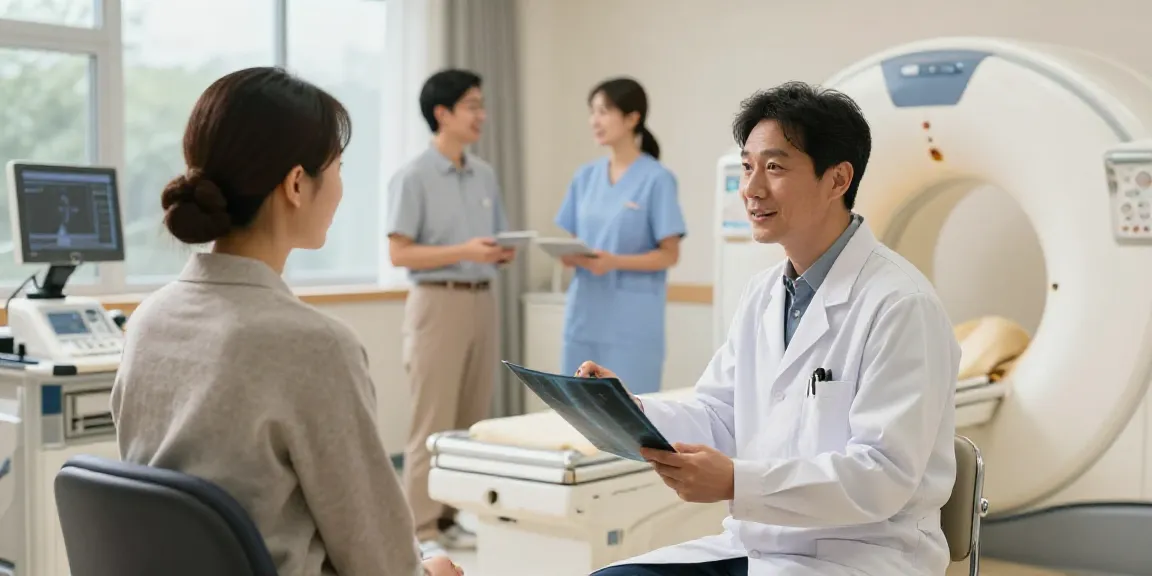
Early detection of lung cancer significantly improves treatment outcomes and survival rates. Unfortunately, many patients in the UAE are diagnosed at advanced stages due to the lack of early symptoms. Innovations such as low-dose computed tomography (LDCT) have revolutionized screening, allowing for non-invasive and accurate early detection.
Regular screening is especially recommended for high-risk individuals, including those with a history of smoking or exposure to carcinogens. Identifying lung cancer in its initial stages can elevate the five-year survival rate substantially, shifting it from a somber prognosis to a more hopeful outcome.
Healthcare Innovations in Treatment
The landscape of lung cancer treatment has evolved dramatically with advancements in medical technology and research. In the UAE, cutting-edge treatment options are available, including targeted therapies, immunotherapies, and minimally invasive surgical options, which can significantly enhance patient recovery and quality of life.
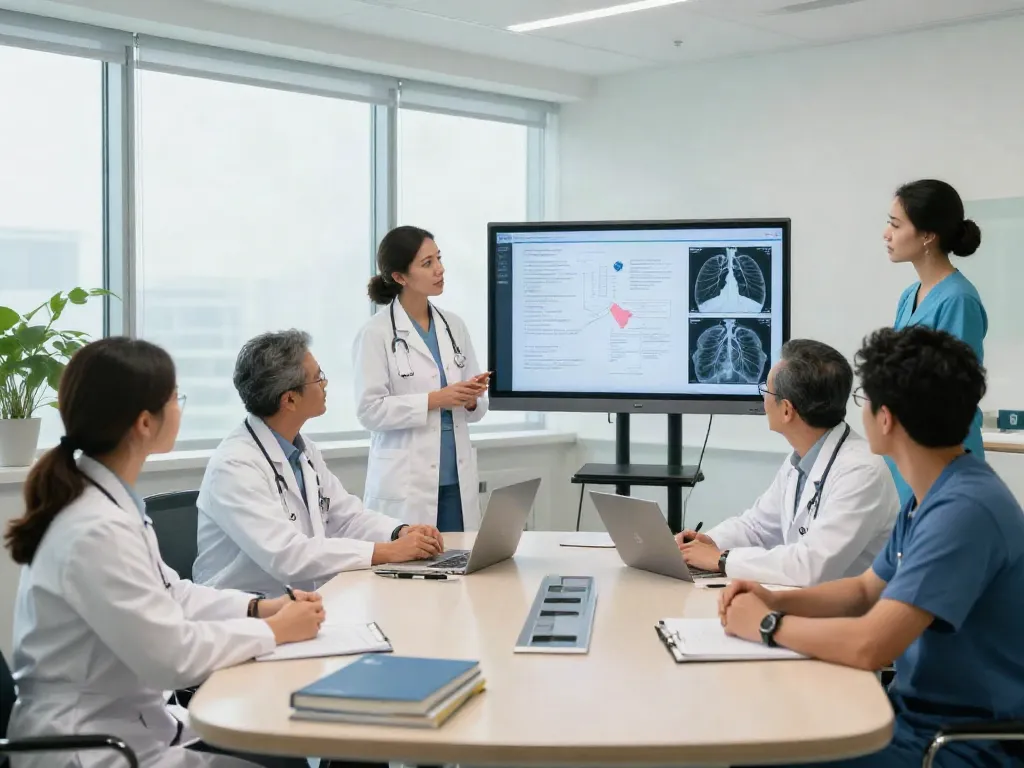
Prominent institutions like the Cleveland Clinic Abu Dhabi employ a multidisciplinary team approach to ensure comprehensive care. This includes a collaboration between thoracic surgeons, medical oncologists, radiation oncologists, and various supportive care providers to create individualized treatment plans.
Why Choose Our Lung Cancer Program?
Multidisciplinary Team Approach
At the Cleveland Clinic Abu Dhabi, our Lung Cancer Program embraces a multidisciplinary team model. This innovative approach brings together experts from various specialties, ensuring comprehensive assessments and personalized treatment plans. By collaborating extensively, our team can leverage their collective expertise to enhance patient outcomes.
Personalized Treatment Plans
No two lung cancer cases are alike, which is why our team develops tailored treatment strategies based on the specific type, stage, and individual patient details. Our physicians engage in thorough discussions during tumor board meetings, allowing them to consider all possible treatment options—including clinical trials and state-of-the-art therapies—to arrive at the best possible treatment plan for each patient.
Collaborations with Global Experts
We maintain an ongoing partnership with Cleveland Clinic in the United States, giving our patients access to some of the leading experts in the field. This global collaboration helps us stay abreast of the latest research, treatment protocols, and technological advancements, ensuring our patients receive top-notch care.
Comprehensive Services Offered
Screening Programs for High-Risk Individuals
Cleveland Clinic Abu Dhabi offers enhanced lung cancer screening programs specifically designed for high-risk individuals. Utilizing low-dose CT scans, we provide rapid and precise screening methods that are both effective and non-invasive. These programs are vital in identifying lung cancer in its early, more treatable forms.
Diagnosis: Advanced Imaging and Procedures
Diagnostic processes involve sophisticated imaging techniques and minimally invasive procedures. Imaging tests, including chest X-rays and CT scans, alongside bronchoscopy and needle biopsies, enable us to ascertain cancer presence and stage effectively. Our hybrid operating rooms allow multiple diagnostic tests to be performed in a single visit, streamlining patient care.
Treatment Options: Surgery, Chemotherapy, and More
Treatment options for lung cancer vary significantly based on the type and stage of the cancer. Surgical interventions, when applicable, are performed using minimally invasive techniques that reduce recovery times and enhance comfort. In cases where surgery is not viable, chemotherapy and radiation therapy might be utilized.
- Surgery: Resectable tumors may be surgically removed, often employing advanced techniques such as robotic-assisted surgery or video-assisted thoracoscopic surgery (VATS).
- Chemotherapy: This systemic treatment can be administered pre- or post-surgery and is used to target cancer cells throughout the body.
- Radiation Therapy: Utilized either as a primary treatment or an adjunct to surgery and chemotherapy, this offers targeted destruction of malignant cells.
The emphasis is always on creating a treatment strategy that accounts for the patient's overall health and personal preferences, ensuring that all decisions are made collaboratively with the patient and their support team.
Understanding Symptoms, Causes, and Risk Factors
Common Symptoms of Lung Cancer
Patients may experience a range of symptoms, including:
- Persistent cough that worsens over time
- Chest pain and discomfort
- Shortness of breath
- Unexplained weight loss and fatigue
- Coughing up blood or rust-colored sputum
It's critical for individuals exhibiting these symptoms, especially if they belong to high-risk categories, to seek prompt medical consultation.
Identifying Risk Factors for Lung Cancer
The primary risk factor for lung cancer is tobacco use, responsible for approximately 90% of cases. However, other factors can contribute to the likelihood of developing this condition:
- Exposure to secondhand smoke
- Environmental pollutants and toxins
- Family history of lung cancer
- Previous lung diseases or chronic obstructive pulmonary disease (COPD)
Understanding these risk factors is essential for prevention efforts and encourages lifestyle modifications for those at risk.
Prevention Strategies and Lifestyle Medicine
Preventive strategies are vital in reducing lung cancer risk. Smoking cessation programs, public education on the dangers of tobacco, and promoting healthy diets can significantly influence cancer rates. The Cleveland Clinic Abu Dhabi's Lifestyle Medicine Program emphasizes the impact of lifestyle choices on patient health, focusing on:
- Encouraging physical activity
- Promoting balanced nutrition
- Providing stress management techniques
Comprehensive lifestyle changes can assist in the prevention and management of lung cancer, aligning with broader health initiatives in the UAE.
Patient Stories and Experiences
Real-Life Testimonials from Lung Cancer Survivors
Patient stories are a powerful testament to the effectiveness of treatment and the importance of supportive care. Survivor narratives often highlight the courage and resilience of individuals who face lung cancer, sharing their journeys of diagnosis, treatment, and recovery. These testimonials not only inspire hope but also offer valuable insights into navigating the emotional and physical challenges of cancer.
Importance of Family and Caregiver Support
Family and caregiver support is crucial during treatment. The journey through lung cancer can be fraught with uncertainty, and having a reliable support system can significantly ease the emotional burden. Education and involvement of family members in treatment decisions empower them to provide better care and understanding, improving the patient’s overall journey.
Follow-Up Care and Patient Resources
After treatment, continuous care is essential to monitor recovery and manage any potential recurrence of cancer. Patients are encouraged to regularly participate in follow-up appointments, which may include imaging tests and consultations to assess overall health and well-being. The Cleveland Clinic Abu Dhabi provides extensive resources, including dietary guidance, counseling services, and support groups that help patients maintain a holistic approach to their health.
What are the different types of lung cancer?
Lung cancer is primarily classified into two main types: non-small cell lung cancer (NSCLC) and small cell lung cancer (SCLC). Within these categories, there are further subdivisions, each requiring distinct treatment approaches.
How can lung cancer be diagnosed early?
Early diagnosis is achievable through consistent screening protocols, especially utilizing low-dose CT scans in high-risk populations. Regular check-ups and vigilance regarding symptomatic changes also play vital roles in early detection.
What lifestyle changes can help prevent lung cancer?
Significant lifestyle changes that can reduce the risk of lung cancer include smoking cessation, regular physical activity, a balanced diet rich in fruits and vegetables, and avoiding exposure to environmental pollutants.
What are the survival rates for lung cancer treatments?
Survival rates for lung cancer vary based on the stage at diagnosis, treatment modalities, and patient health. Early-stage lung cancer has a markedly better prognosis compared to later stages, emphasizing the importance of early detection.
How does the multidisciplinary team improve treatment outcomes?
The multidisciplinary team approach enhances treatment outcomes by integrating insights from various specialties, ensuring patients receive comprehensive assessments and coordinated care tailored to their unique needs.