The Evolution of Custom 3D Configurator Technologies
In recent years, the landscape of product design and customization has transformed dramatically, largely driven by advancements in technology. A key player in this evolution is the custom 3D configurator, which offers businesses a powerful tool to engage customers and streamline the design process. These configurators allow users to visualize and modify products in real-time, fostering an interactive experience that enhances customer satisfaction. As we delve deeper into the realm of custom 3D configurators, we will explore their fundamental concepts, historical milestones, and the promising future that lies ahead.
Understanding Custom 3D Configurators
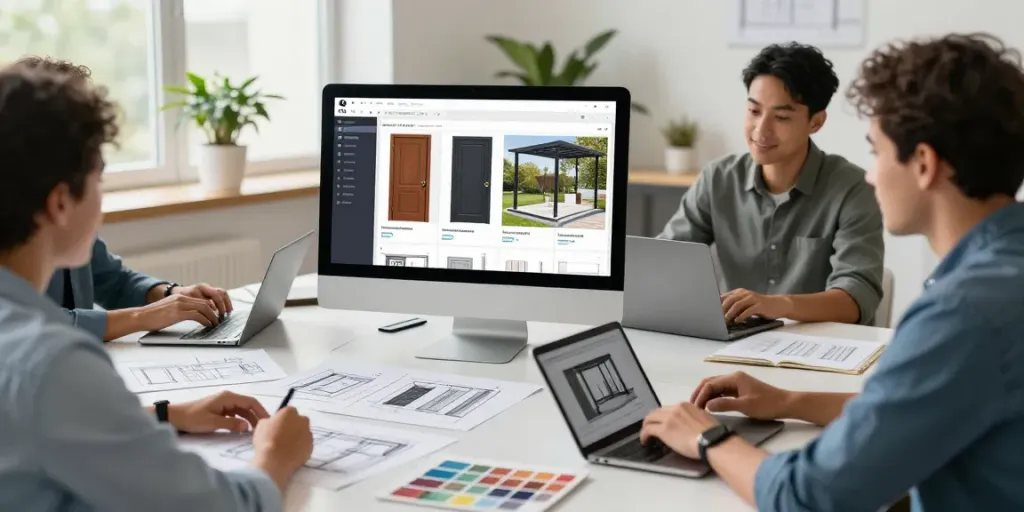
Custom 3D configurators are interactive software tools that enable users to customize products according to their specific preferences. Commonly seen in industries such as furniture, automotive, and construction, these tools allow for the manipulation of design elements such as size, color, and material. The popularity of 3D configurators is attributed to their ability to bridge the gap between product design and consumer expectations by offering immersive visual experiences.
Historical Developments in Product Configuration
The concept of product configuration is not new; however, the integration of 3D visualization technologies has drastically enhanced its capabilities. Initially, configurations were limited to static images and basic dropdown menus. As technology advanced, the introduction of 3D modeling software and real-time rendering shifted the paradigm, enabling more dynamic and engaging configurators. Companies began adopting these tools not just for aesthetic purposes, but also to optimize their production processes and reduce errors in order specifications.
The Future Landscape for 3D Configuration Tools
Looking ahead, the future of custom 3D configurators is promising. Innovations such as artificial intelligence and machine learning are set to further enhance personalization, allowing configurators to learn from user interactions and suggest optimal configurations. Furthermore, the rise of virtual and augmented reality will create even more immersive experiences for consumers, allowing them to visualize products in their own environments before making a purchase decision.
Key Benefits of Utilizing a Custom 3D Configurator
Implementing a custom 3D configurator system can provide businesses with several competitive advantages, including enhanced customer engagement, streamlined processes, and reduced errors. Understanding and harnessing these benefits can significantly influence a company's bottom line.
Enhanced Customer Engagement and Satisfaction
By allowing customers to personalize products to their liking, businesses foster greater engagement and satisfaction. The ability to visualize choices in real-time offers customers a sense of control over their purchase decisions, leading to increased trust and brand loyalty.
Streamlining Design and Production Processes
Custom 3D configurators can streamline design and production workflows by automating several steps in the process. With integrated systems for pricing, order management, and production planning, businesses can reduce time spent on manual entries and focus on delivering quality products. This automation allows design teams to visualize the impact of choices early in the process, thus facilitating faster decision-making.
Reducing Errors in Orders and Specifications
Errors in orders can be costly and time-consuming. Custom 3D configurators minimize these errors by guiding customers through the selection process. By enforcing rules and dependencies—such as minimum or maximum dimensions and permissible materials—these tools ensure that only feasible configurations are presented, thus reducing the likelihood of mistakes in the final order.
Implementing Your Own Custom 3D Configurator
Implementing a custom 3D configurator requires careful planning and consideration. The process involves several key steps to ensure the configurator meets the unique needs of your business and customers.
Steps to Prepare for Configuration Implementation
- Assess Business Needs: Identify the specific problems a configurator will solve and the features needed to meet your goals.
- Gather Product Data: Collect all relevant data, including product specifications, pricing models, and manufacturing capabilities.
- Develop a Prototype: Create a prototype of your configurator to visualize functionality and usability before full implementation.
- Collect Feedback: Involve stakeholders in the testing process to gather feedback and make necessary adjustments.
- Launch and Monitor: After implementing the configurator, continually monitor its performance and make iterative improvements based on customer interaction and feedback.
Integrating with Existing Systems: CRM and ERP
Successful implementation of a custom 3D configurator also requires integration with existing systems like Customer Relationship Management (CRM) and Enterprise Resource Planning (ERP). This integration allows for seamless data flow across departments, enhancing operational efficiency. For instance, sales data captured in the configurator can automatically update customer records in the CRM, ensuring that sales teams have immediate access to current project information.
Testing and Validating Configurator Performance
Before launching a custom 3D configurator, rigorous testing is essential. This includes validating the accuracy of product representations, assessing the functionality of pricing calculations, and ensuring the configurator responds correctly to user selections. Engaging both internal team members and a selection of customers in testing can provide diverse perspectives on usability and functionality.
Real-World Applications of Custom 3D Configurators
Custom 3D configurators are employed across various industries, providing tailored solutions that enhance customer experiences and streamline production. Here, we explore several applications.
Industry Examples: From Manufacturing to Retail
Manufacturers of complex products, such as industrial machinery and custom furniture, rely on 3D configurators to offer customers the ability to build products that fit their exact specifications. In retail, companies in the apparel and footwear sectors use configurators to allow customers to design their own products, fostering a sense of ownership and uniqueness.
Case Studies: Success Stories of Configurator Integration
One notable example is a well-known furniture retailer that implemented a custom 3D configurator allowing customers to design their own sofas. The configurator not only increased customer satisfaction but also reduced return rates significantly, as users were able to visualize their choices before purchase.
Messaging and Branding through Custom Configurators
Custom configurators also serve as a powerful branding tool. By embedding brand identity throughout the configuration journey, companies can enhance their messaging and strengthen customer ties. For instance, consistent use of colors, designs, and logos within the configurator reinforces brand recognition throughout the customer’s interaction.
Future Trends in Product Configuration Software
The realm of product configuration is evolving rapidly, and several trends are poised to shape the future of these tools. Keeping abreast of these developments is vital for businesses looking to maintain a competitive edge.
AI and Machine Learning in Custom Configurators
Artificial intelligence and machine learning will soon become integral to product configurators. By analyzing customer preferences and behaviors, configurators can offer personalized suggestions that streamline the configuration process. This will enhance user experience and drive revenue through upselling and cross-selling opportunities.
The Rise of Augmented Reality Integration
Augmented reality (AR) integration is set to revolutionize the way customers interact with products. By enabling users to visualize customized products in their real-world environments, AR will provide immersive experiences that traditional 3D configurators cannot offer. This technology can significantly influence purchasing decisions by giving customers a clearer understanding of how a product fits into their lives.
Preparing for the Advanced Customization Needs of 2026
As customer demands for personalization continue to grow, businesses must be prepared to adapt their configurators accordingly. This means not only implementing advanced technologies but also ensuring that systems can handle more complex configurations and maintain seamless integration with supply chain processes to fulfill customized orders efficiently.
What is a 3D configurator?
A 3D configurator is an interactive digital tool that allows users to customize products in real time. It empowers customers to see visual changes as they make selections, leading to more informed purchasing decisions.
Who can benefit from using a custom 3D configurator?
Businesses in various industries—including manufacturing, retail, and e-commerce—can benefit from custom 3D configurators. These tools can improve customer engagement, reduce order errors, and streamline production processes.
How do live prices work in product configuration?
Live pricing within product configurators adjusts in real time as customers make their selections. This dynamic pricing model reflects changes based on the chosen options and materials, providing customers with immediate visibility into costs.
What systems can integrate with a 3D configurator?
Custom 3D configurators can integrate with various systems, including CRM, ERP, e-commerce platforms, and PIM systems. This integration enables seamless data exchange and enhances operational efficiency.
How to prepare for a configurator demo?
To prepare for a configurator demo, businesses should gather relevant product data, define use cases, and involve stakeholders who will interact with the tool. Clear objectives for the demo will also help in assessing the configurator’s capabilities effectively.