Understanding the Importance of Local Food Cooperatives
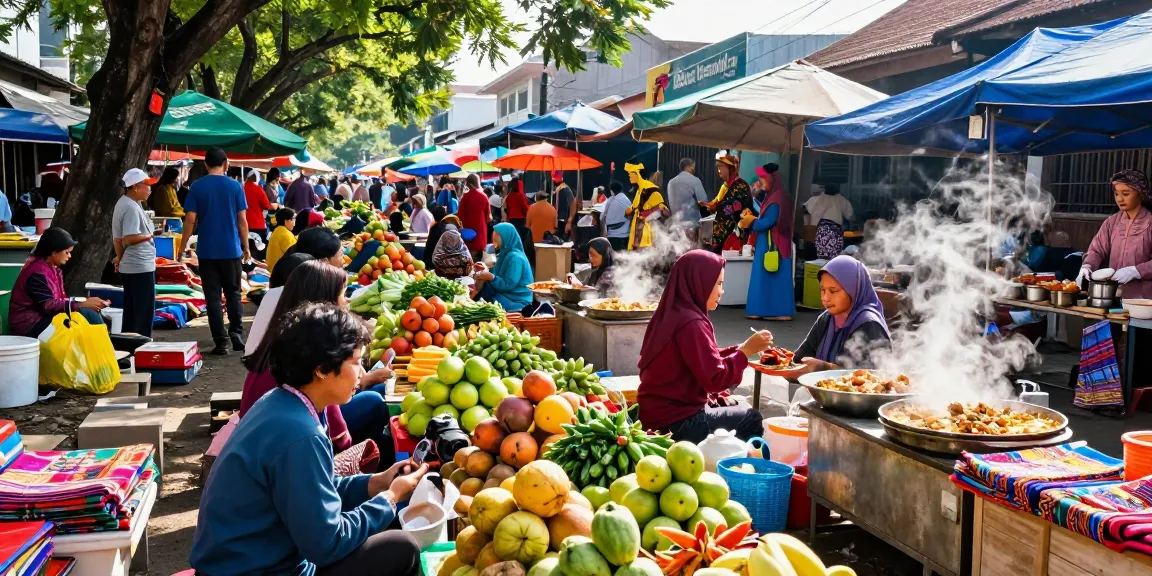
Local food cooperatives play a pivotal role in fostering community resilience and enhancing food sovereignty. In the context of Sonoma Springs, the focus on cooperative structures not only prioritizes healthful eating but also strengthens local economies. By drawing on regional agriculture, these cooperatives create a symbiotic relationship between producers and consumers, making nutritious food accessible to all. For more insights into this dynamic, springshall.org provides comprehensive resources and updates.
What is a Local Food Cooperative?
A local food cooperative is a member-owned organization that facilitates the collection, distribution, and purchase of food produced locally. These cooperatives can take various forms, including buying clubs, food distribution networks, and community-supported agriculture (CSA) systems. They aim to provide fresh, organic, and often sustainably-grown food directly to consumers while supporting local farmers and promoting eco-friendly practices.
Benefits of Food Cooperatives for Communities
- Access to Fresh Produce: Food cooperatives often provide members with direct access to seasonal and locally sourced produce, reducing reliance on industrial food systems.
- Economic Support: By purchasing from local farmers, cooperatives help to circulate money within the community, bolstering local economies.
- Education and Awareness: Many cooperatives engage in educational programs that teach members about nutrition, cooking, and sustainable farming practices.
- Community Building: These organizations foster a sense of community, bringing people together through shared values and common goals related to food justice and sustainability.
Challenges Facing Local Food Accessibility
Despite the myriad benefits, local food cooperatives face significant challenges in promoting food accessibility. Economic disparities can make it difficult for some community members to afford membership fees or costlier local produce. Additionally, there can be logistical issues, such as distribution inefficiencies and lack of transportation options for members to access cooperatives. Bridging these gaps is critical for ensuring that all community members can benefit from local food initiatives.
Highlights from the Sonoma Springs Hall Events
Recent Events and Community Participation
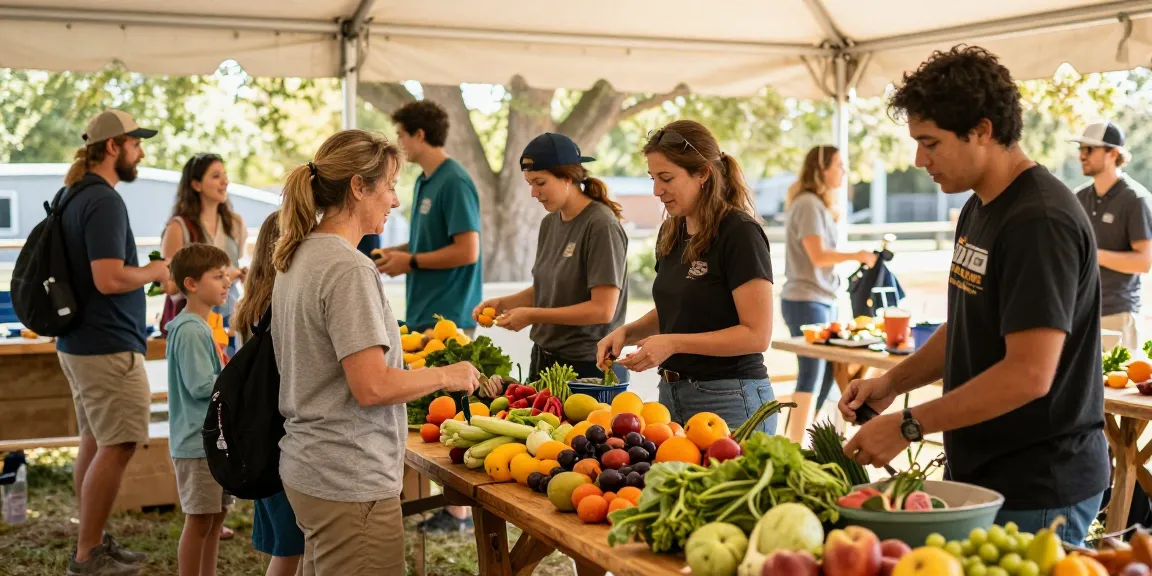
Sonoma Springs Hall has become a hub of activity, fostering community engagement through various events. Recent gatherings have included food distributions in partnership with local farms and organizations such as Sonoma Overnight Support (SOS) and Food For All. These initiatives not only provide essential services to those in need but also encourage community participation and support for local agriculture, truly embodying the spirit of cooperation and solidarity.
Support Systems: Farmer's Friend and Food For All
The Farmer’s Friend program exemplifies how local cooperatives can effectively address food access issues. By connecting local farmers with households in need, this initiative has successfully distributed thousands of pounds of organic produce. Partnering with organizations like Food For All enhances this effort, ensuring that nutritional needs are met while minimizing food waste by utilizing surplus from local farms.
Volunteer Contributions and Community Spirit
Volunteerism is at the heart of the success of food cooperatives in Sonoma Springs. Community members dedicate their time and resources to support food distributions, educational programs, and fundraising efforts. This collective action not only bolsters food accessibility but also fosters a strong sense of belonging and purpose among residents, exemplifying the cooperative spirit that drives local initiatives.
Strategies for Enhancing Food Access
Building Partnerships with Local Farmers
Creating effective partnerships with local farmers is crucial for enhancing food access within the community. Negotiating fair prices for produce, ensuring a reliable supply chain, and establishing reciprocal marketing agreements can help sustain these relationships. Additionally, direct farmer-consumer interactions, through events like farmer’s markets at Sonoma Springs Hall, can forge personal connections and encourage community investment in local agriculture.
Community Outreach and Education Programs
Outreach and education play vital roles in promoting the benefits of food cooperatives. Workshops, cooking classes, and informational sessions can equip community members with the knowledge they need to make informed food choices. By demystifying local food systems and highlighting their benefits, these programs can expand participation and support for cooperatives.
Leveraging Technology for Food Distribution
In the digital age, leveraging technology can significantly streamline food distribution processes. Implementing online ordering systems, mobile applications for real-time inventory tracking, and social media platforms for community engagement can enhance accessibility and efficiency. These technological solutions not only facilitate smoother transactions but can also attract younger generations to engage with local food cooperatives.
Fundraising and Supporting Local Agriculture
How to Donate to Local Food Programs
Financial support is vital for the sustainability of local food programs. Community members can contribute by making direct donations, participating in fundraising events, or supporting local farmers through cooperative purchasing. Many cooperatives organize fundraising drives that emphasize the immediate impact of contributions, allowing donors to see how their support directly improves food access for those in need.
Organizing Successful Fundraising Events
Successful fundraising events require meticulous planning and community involvement. Engaging local businesses and sponsors to provide resources and donations can amplify these efforts. Additionally, creating a fun and participatory atmosphere through community dinners, local music performances, or farming workshops can draw in larger crowds and enhance overall engagement with the cause.
Building Sustainable Donor Relationships
Establishing sustainable donor relationships is essential for the longevity of food cooperative initiatives. Regular communication, transparency about fund usage, and recognition of contributions can strengthen these bonds. By showing donors the tangible impact of their support, cooperatives can cultivate a loyal base of donors willing to invest in local food systems long-term.
Future Trends in Local Food Cooperatives
Impact of Sustainability Initiatives by 2026
As the conversation around sustainability continues to grow, local food cooperatives are expected to implement more environmentally friendly practices. This might include embracing regenerative agriculture techniques, reducing plastic usage, and focusing on carbon-neutral operations. These initiatives will not only appeal to eco-conscious consumers but also help combat climate change locally.
Innovations in Food Distribution Models
Innovative food distribution models, such as subscription-based boxes or mobile market trucks, may become more prevalent as cooperatives adapt to community needs. These models offer flexible purchasing options and can cater to diverse populations by providing tailored services that respect cultural food preferences and dietary requirements.
Engaging the Next Generation in Cooperative Movements
Fostering interest and involvement among younger generations is critical for the future of food cooperatives. Educational programs in schools, youth-led initiatives, and opportunities for hands-on engagement in farming can inspire young people to appreciate the value of local food systems. By creating engaging pathways for involvement, cooperatives can ensure a vibrant future that embraces cooperative principles and community wellness.
What role does springshall.org play in the community?
Sonoma Springs Hall serves as a pivotal resource in supporting local food initiatives and community engagement. By hosting events, facilitating food distributions, and offering a platform for local farmers and consumers to connect, it fosters a collaborative environment that prioritizes sustainability and accessibility.
How can I get involved with local food initiatives?
Community members can get involved by volunteering for food distribution events, participating in cooperative meetings, and supporting fundraising initiatives. Additionally, joining local food cooperatives offers individuals a direct way to contribute to and benefit from community-led agricultural efforts.
What are the benefits of joining a food cooperative?
Joining a food cooperative provides numerous benefits, including access to fresh, local produce, opportunities for community connection, and participation in decision-making processes regarding food sourcing and distribution. Members often enjoy discounts, educational resources, and the satisfaction of supporting local farmers and sustainable practices.
What events are upcoming at Sonoma Springs Hall?
Stay updated on the latest events at Sonoma Springs Hall by checking their online calendar. Regular activities include food distributions, community meetings, and educational workshops that promote local food access and sustainability.
How do local cooperatives support sustainable agriculture?
Local cooperatives support sustainable agriculture by prioritizing local sourcing, promoting organic farming practices, and fostering relationships with environmentally conscious producers. By creating a demand for sustainable products, cooperatives help to reshape agricultural practices in the community, making them more eco-friendly and resilient.