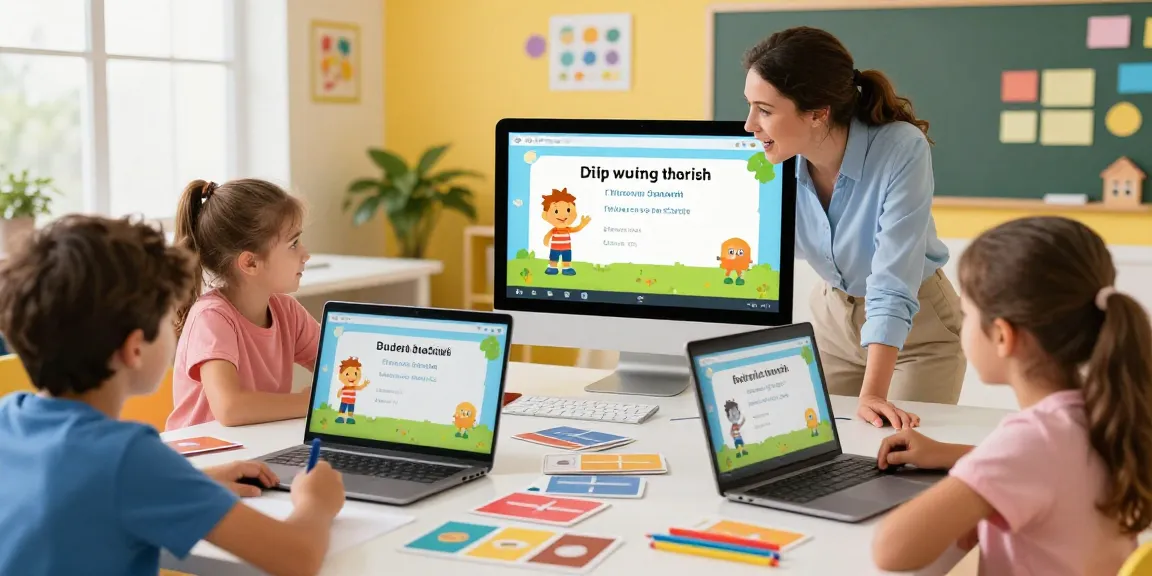
Understanding English Classes for Children
In today's interconnected world, the ability to communicate in English has become a vital skill for children. English classes for children not only teach language proficiency but also open doors to numerous educational and cultural opportunities. As parents, understanding the landscape of English education can help you make informed decisions that will benefit your child immensely. With the rapid advancements in online education, platforms like LearnLink are redefining how children learn, providing personalized and engaging experiences. When exploring options, English classes for children offer tailored curricula that cater to different learning styles and paces.
What are English Classes for Children?
English classes for children are structured programs designed to teach young learners the fundamentals of the English language. These classes can be conducted in various formats, ranging from traditional classroom settings to modern online platforms, where tutors employ innovative methodologies to engage students. The curriculum often includes lessons on vocabulary, grammar, pronunciation, and conversational skills, making the learning process holistic and enjoyable.
Benefits of Learning English Early
Starting English education at an early age provides several advantages:
- Cognitive Development: Learning a new language enhances cognitive abilities, improving problem-solving skills and creativity.
- Improved Communication: Mastery of English equips children with essential communication skills that are crucial for social interaction and future academic success.
- Global Opportunities: Proficiency in English opens doors to international travel, educational resources, and careers in a globalized job market.
- Confidence Building: Gaining language skills early on helps boost self-esteem, encouraging children to express themselves more freely.
Common Myths About Children's English Education
Despite the numerous benefits, several misconceptions about English education for children persist:
- Myth 1: Young children cannot learn a new language. In reality, children are highly adaptable and capable of absorbing new languages with ease.
- Myth 2: English education is only for academically inclined children. All children, regardless of their academic background, can benefit from learning English.
- Myth 3: Learning English is too difficult. With the right teaching methods—such as immersion and gamification—learning can be fun and effective.
Pros of Enrolling Your Child in English Classes
Enhanced Communication Skills and Confidence
One of the primary benefits of enrolling in English classes is the enhancement of communication skills. As children interact with tutors and peers during lessons, they gain confidence in their speaking and listening abilities. This confidence not only helps in language learning but also translates into better social interactions in everyday life.
Immersion Methods: Making Learning Enjoyable
Immersion methods are a popular teaching strategy employed in many English classes for children. By surrounding students with the language through engaging activities—like games, songs, and storytelling—children learn naturally and intuitively. This method lessens the pressure often associated with language learning, making the process enjoyable.
Social Interaction and Peer Learning Opportunities
Learning is often more effective in a social environment. English classes provide children with the chance to interact with peers, encouraging collaborative learning and cultural exchange. These interactions can help children build friendships and improve their social skills, all while learning a new language.
Cons of English Classes to Consider
Potential for Overstimulation and Pressure
While there are many benefits to English classes, some children may feel overstimulated by the activities or pressured to perform well. It's important for parents to monitor their child's response to the class environment and ensure that learning remains a positive experience.
Cost and Commitment of Ongoing Subscriptions
Many English programs require ongoing subscriptions to access consistent lessons and resources. This can become a financial commitment that parents must consider. It's crucial to evaluate the value of the program against its cost to ensure it fits your family's budget.
Quality Variance Among Different Tutors
The quality of instruction can vary significantly among tutors. While LearnLink provides a selection of vetted tutors, it's essential for parents to assess tutor qualifications and teaching styles to ensure a good fit for their child's learning needs.
Choosing the Right English Classes for Your Child
Evaluating Tutor Qualifications and Teaching Styles
When selecting an English class, examine the qualifications and methodologies of potential tutors. Effective tutors should have experience in teaching children, along with a deep understanding of different learning methods that cater to various learning styles.
Ensuring a Personalized Learning Experience
Personalization is critical in language education. Look for programs that offer customized lesson plans based on your child's current skill level and learning goals. By tailoring the experience, tutors can help children progress effectively without feeling overwhelmed or bored.
How to Select the Right Subscription Plan
Many online platforms, including LearnLink, offer flexible subscription plans that can be customized according to your child’s needs. Consider the lesson frequency, duration, and intensity that align with your child's learning style and schedule.
The Future of English Learning for Children
Emerging Trends in Online Education for Kids
The landscape of education is rapidly evolving, with online learning becoming increasingly popular. In the coming years, we can expect to see more interactive and engaging formats, such as virtual reality environments and AI-driven personalized learning tools that adapt to each child's pace and preferences.
Innovative Technology Enhancing Learning Experiences
Technology plays a pivotal role in modern education. Applications and platforms that incorporate gamification, video content, and interactive quizzes can significantly enhance the learning experience, making it more engaging for children.
Predictions for English Education in 2026 and Beyond
As we look ahead to 2026, it's likely that English education will continue to leverage innovative technologies and personalized approaches. We can expect an increase in hybrid learning models that combine face-to-face interaction with online resources, providing flexible options for families.
What Age is Best to Start English Classes for Children?
The ideal age to begin English classes often varies by child, but many experts recommend starting as early as 4 years old. Children at this age are usually more adept at picking up languages and can benefit from the immersion methods that many programs offer.
How Do Immersion Methods Benefit Language Learning?
Immersion methods provide a natural language learning environment. By engaging with the language in context, children can learn not only vocabulary and grammar but also cultural nuances, which are often missed in traditional classroom settings.
Can Parents Participate in Their Child's English Learning?
Yes, parental involvement can greatly enhance a child's learning experience. Many programs encourage parents to join early lessons or review materials together, helping children feel more comfortable and supported during their learning journey.
What If My Child Struggles with Online English Classes?
If your child is struggling, it's essential to communicate with their tutor. They can help adjust teaching methods to better suit your child's needs and ensure that the lessons remain engaging and effective.
Are There Refunds Available If My Child Doesn't Continue?
Most tutoring platforms offer flexible refund policies, wherein you can request a refund for unused lessons within a specified period. Be sure to review the policy details before enrolling in a program.