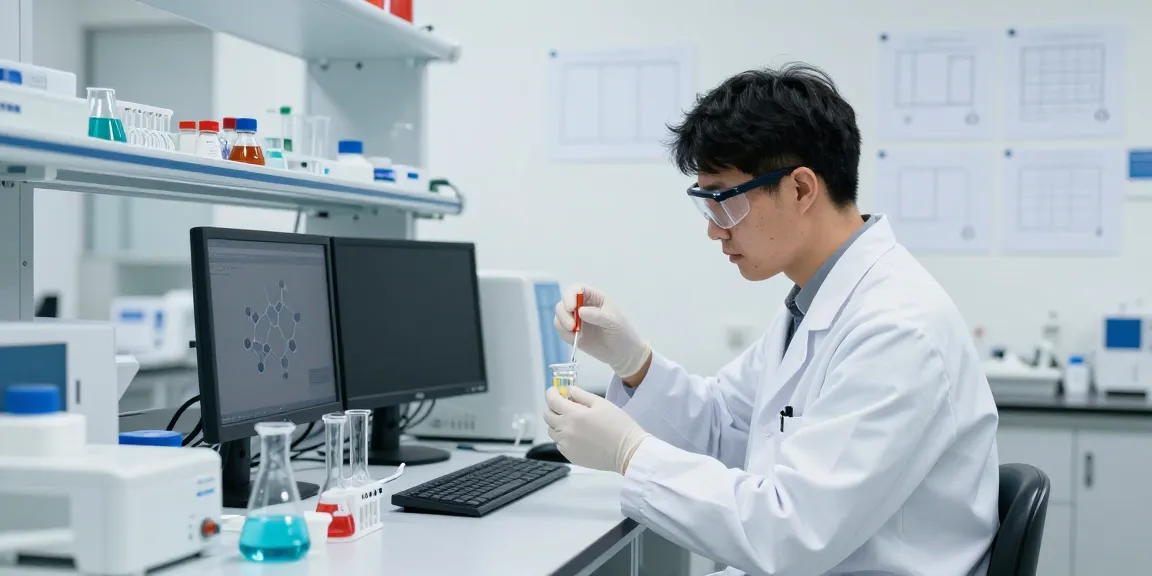
Understanding TB-500: What You Need to Know
In the ever-evolving world of research peptides, TB-500 stands out as a significant compound that has garnered attention for its potential therapeutic applications. This synthetic peptide, derived from the naturally occurring thymosin beta-4, has been studied for its role in promoting healing and tissue regeneration. Whether you are a researcher exploring innovative treatments or simply curious about the benefits of TB-500, understanding its properties is essential. For those looking to buy TB-500, this guide will provide comprehensive insights into this potent peptide.
What is TB-500 and Its Role in Research?
TB-500 is a synthetic analog of thymosin beta-4, a peptide naturally found in the body that plays a crucial role in wound healing and tissue repair. Primarily utilized in laboratory research, TB-500 has been shown to enhance cell migration, promote the formation of new blood vessels, and support the regeneration of injured tissues. Its unique ability to influence cellular processes makes it a valuable tool for researchers investigating regenerative medicine and treatments for various ailments.
Benefits of TB-500 Peptide for Cell Repair
The benefits of TB-500 extend beyond mere cell repair; its mechanisms of action offer a multitude of therapeutic possibilities. Research indicates that TB-500 can:
- Stimulate angiogenesis, promoting the growth of new blood vessels, which is essential for delivering nutrients to healing tissues.
- Accelerate the healing of muscles and tendons, making it a focus for studies related to sports injuries and recovery.
- Reduce inflammation, which is a common barrier to effective healing in various injuries.
- Enhance flexibility and mobility in the injured area, aiding in a faster return to normal function.
How TB-500 Differs from Other Peptides
TB-500 is often compared to other peptides like BPC-157, but there are key differences in their properties and mechanisms. While both peptides promote healing, TB-500's unique composition allows it to target cell migration and new blood vessel formation more effectively. This makes TB-500 particularly suitable for muscle and tendon repair, while BPC-157 has broader applications in tissue healing and gastrointestinal health.
The Science Behind TB-500: Mechanisms of Action
Understanding the science behind TB-500 is crucial for appreciating its role in therapeutic contexts. This section delves into the specific mechanisms through which TB-500 exerts its effects on the body.
How TB-500 Facilitates Recovery Processes
TB-500 facilitates recovery by influencing various biological pathways. It enhances the expression of proteins involved in cell migration and proliferation, which are essential for wound healing. Additionally, TB-500 has been shown to upregulate genes associated with tissue remodeling and repair, making it a powerful agent in recovery protocols.
Scientific Studies Supporting TB-500 Use
Numerous studies have explored the efficacy of TB-500 in different contexts. One notable study published in the "Journal of Tissue Engineering and Regenerative Medicine" indicated that TB-500 significantly improved healing outcomes in animal models with tendon injuries. Similar research has demonstrated its potential in accelerating recovery times and improving functional outcomes, further establishing TB-500 as a critical tool in regenerative medicine.
Common Misconceptions About TB-500
Despite its promising applications, TB-500 is often surrounded by misconceptions. Some believe it is a performance-enhancing drug, while others question its safety. However, when used in research contexts and under appropriate guidelines, TB-500 is considered safe and effective for its intended purposes. It is essential to distinguish between research-grade peptides and those marketed for unregulated use, which can lead to misinformation.
Purchasing TB-500: Best Practices
For researchers and enthusiasts looking to incorporate TB-500 into their studies or treatments, understanding how to purchase it safely is imperative. This section will guide you through the best practices for acquiring TB-500.
Where to Buy TB-500 Safely Online
When considering where to buy TB-500, it's critical to seek out reputable suppliers who provide research-grade peptides. Online platforms specializing in peptides typically offer extensive information regarding purity and third-party testing. Ensuring that you are purchasing from a reliable source helps mitigate risks associated with counterfeit products.
What to Look for in a Quality TB-500 Supplier
Identifying a quality TB-500 supplier involves several key factors:
- Third-party testing: Look for suppliers that offer documentation of third-party testing and certificates of analysis (COA) to verify purity levels.
- Transparency: A trustworthy supplier will provide detailed information about their sourcing, manufacturing practices, and any associated research on their products.
- Customer reviews: Assessing customer feedback can provide insights into the reliability and effectiveness of the supplier's products.
Price Comparison: Finding the Best Deals
Pricing for TB-500 can vary significantly between suppliers, making it essential to conduct thorough comparisons. While it may be tempting to opt for the lowest price, consider the quality indicators mentioned earlier. Investing in high-purity TB-500 will often yield better results in your research and applications than cheaper alternatives with questionable quality.
Dosage Guidelines for TB-500 Usage
Determining the correct dosage for TB-500 usage is vital for achieving optimal results. This section outlines recommended dosages and stacking strategies for enhanced efficacy.
Recommended Dosage for Optimal Results
The recommended dosage of TB-500 can vary based on individual needs and research goals. Generally, a dosage of 2 to 5 mg per week is suggested for effective outcomes in tissue repair. However, adjustments may be necessary based on the specific condition being addressed and consultation with a professional is advisable.
Stacking TB-500 with Other Peptides
Many researchers explore the synergistic effects of stacking TB-500 with other peptides, such as BPC-157. This combination can enhance the healing process, addressing both inflammation and tissue repair. When considering stacking, it's crucial to monitor effects closely and adjust dosages accordingly.
Potential Side Effects and How to Manage Them
While TB-500 is generally considered safe, potential side effects may include localized irritation at the injection site, fatigue, or mild gastrointestinal discomfort. Managing these effects can involve adjusting dosage or altering the injection technique. Always consult a healthcare professional when beginning any new peptide regimen to ensure safe and effective use.
The Future of TB-500 in Scientific Research
As interest in peptide therapy continues to grow, the future of TB-500 in scientific research looks promising. This section explores emerging trends and expert insights related to TB-500.
Emerging Trends in Peptide Research for 2026
As we move towards 2026, research into peptides like TB-500 is likely to expand, especially concerning their applications in regenerative medicine. Novel delivery systems and formulations may enhance efficacy and patient compliance, while studies investigating combinations with other therapeutic agents could reveal new treatment paradigms.
How Innovations Might Change TB-500 Applications
Innovative research methodologies and technological advancements may pave the way for more precise applications of TB-500. Researchers are exploring its use in treating chronic conditions and enhancing recovery protocols in sports medicine, potentially revolutionizing how we approach tissue healing.
Expert Insights and Predictions for TB-500
Experts in the field predict that TB-500 will play an increasingly significant role in both clinical and research settings. As understanding of its pharmacodynamics continues to deepen, we can expect refined protocols for its use in various therapeutic contexts, enhancing its utility and effectiveness in promoting healing.