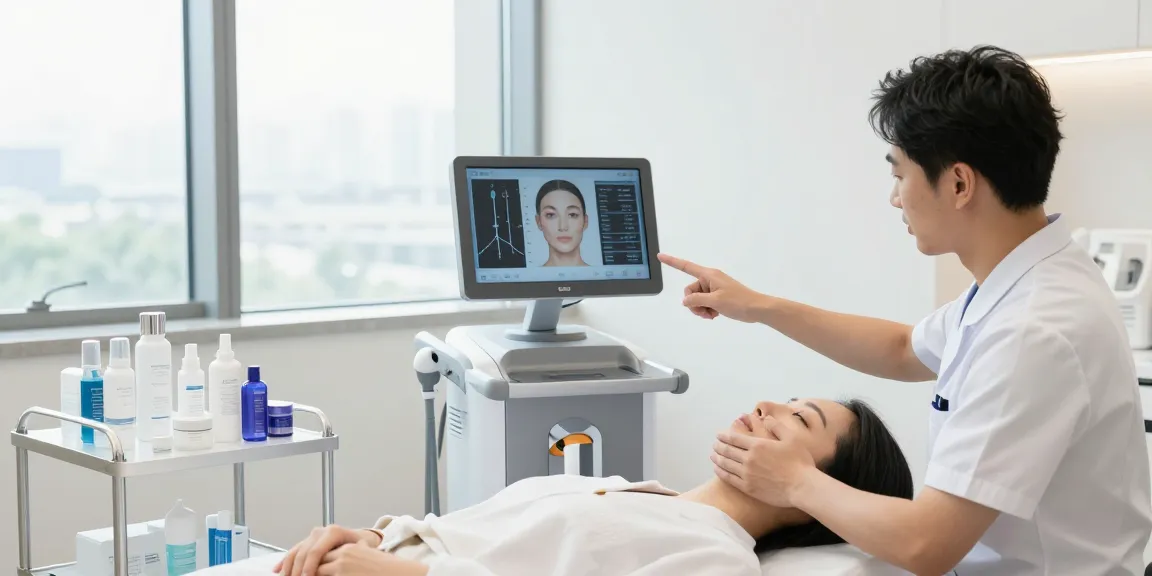
Understanding the Basics of Facial Analysis Services
In the rapidly evolving beauty and aesthetics industry, facial analysis services have gained significant popularity. These services utilize advanced technology to evaluate facial features, offering users insights into their aesthetic potential. As consumers become more conscious of their appearance, solutions like ClinicEvo and QOVES have emerged as leaders in this niche, promising comprehensive and personalized assessments. When exploring options, ClinicEvo vs QOVES provides comprehensive insights into the strengths and weaknesses of each platform, helping potential users make informed decisions.
What is Facial Analysis?
Facial analysis can be defined as a systematic method for assessing the physical characteristics of a person's face. This process often employs technology, such as artificial intelligence (AI) and computer vision, to measure and evaluate key aspects like symmetry, proportions, and the overall aesthetic appeal of facial features. The goal is to provide tailored recommendations that help individuals enhance their appearance based on data-driven insights.
The Role of Technology in Facial Analysis
Technology plays a pivotal role in modern facial analysis. Companies like ClinicEvo and QOVES utilize sophisticated algorithms and machine learning techniques to analyze facial images. For instance, these platforms can detect nuances in facial structure and compare them against established beauty standards. By leveraging such technology, users can receive objective feedback about their appearance, ultimately leading to informed choices regarding aesthetic treatments or cosmetic enhancements.
How ClinicEvo and QOVES Compare
While both ClinicEvo and QOVES operate in the facial analysis space, they differ significantly in their methodologies and the user experience they offer. Understanding these differences is crucial for potential users wishing to navigate their choices effectively. In the following sections, we will delve deeper into the key features and functionalities of both services.
Key Features of ClinicEvo and QOVES
Analysis Techniques Used by Each Service
ClinicEvo employs an AI-driven approach to facial analysis, utilizing an extensive database of facial features to provide insights. Users upload images and receive a comprehensive breakdown of their facial characteristics, including suggestions for enhancements to achieve a more balanced appearance. On the other hand, QOVES incorporates clinical methodologies alongside AI analysis. Their reports can often include surgical pointers for users interested in medical aesthetic interventions, making them particularly appealing to those considering surgical options.
User Experience and Interface Design
Another significant factor in choosing between ClinicEvo and QOVES is the user experience they offer. ClinicEvo's platform is designed with user-friendliness in mind, enabling individuals to access their results effortlessly and navigate through the analysis with ease. Conversely, QOVES places a strong emphasis on providing an in-depth experience, which can sometimes complicate the navigation for new users. However, the depth of information provided can be rewarding for those seeking to explore every aspect of their facial analysis.
Personalization and Recommendations Offered
Both services excel in personalization, offering tailored recommendations based on the analysis performed. ClinicEvo focuses on creating a clear, evidence-based plan that users can follow, while QOVES tends to provide a wider range of suggestions that may include clinical interventions. This difference not only showcases their varying target audiences but also reflects their overall brand philosophies.
Evaluating Effectiveness: ClinicEvo vs QOVES
Success Metrics for Facial Analysis Services
Success metrics for facial analysis services can include user satisfaction, accuracy of assessments, and the effectiveness of recommendations. Both ClinicEvo and QOVES have established benchmarks in these areas, but they cater to different user expectations. ClinicEvo often emphasizes user empowerment and control, whereas QOVES markets its service more towards those interested in clinical evaluations and procedures.
User Testimonials and Case Studies
Case studies and user testimonials play a vital role in assessing the effectiveness of both platforms. Users of ClinicEvo frequently commend the service for its simplicity and actionable insights. In contrast, QOVES users often share transformative experiences, particularly those who have followed surgical recommendations, highlighting real-life success stories following their analyses.
Comparative Results: What Users Can Expect
Users can expect varied results from both services, based on their individual goals. Those seeking straightforward advice and a roadmap for non-invasive enhancements may prefer ClinicEvo, while individuals interested in extensive evaluations that may lead to surgical interventions would find QOVES appealing. Understanding these expected outcomes is essential for potential clients in making an informed choice.
Pricing and Accessibility of Services
Cost Comparison of ClinicEvo vs QOVES
Cost is often a determining factor for users deciding between ClinicEvo and QOVES. ClinicEvo typically has a more accessible pricing model, appealing to a broader audience looking for insights without the added pressure of surgical recommendations. In contrast, QOVES may incur higher costs due to its in-depth analyses and potential follow-up consultations regarding surgical options. Thus, users need to assess what aligns best with their budget and needs.
Accessibility and Ease of Use
Both platforms can be accessed online, allowing users to submit their facial images remotely. However, ClinicEvo's straightforward process is often lauded for its ease of use. Users can quickly upload their details and receive analyses without navigating complex features. QOVES, while providing rich data, may require more engagement from users to navigate their findings effectively.
Subscription Plans and Offers for 2026
As we look into 2026, both ClinicEvo and QOVES are likely to introduce subscription plans to tailor their services to regular users. These plans may offer users additional features, such as more frequent analyses or personalized consultations. Understanding these subscription options can help users gain more value from their choices.
Future Trends in Facial Analysis Technology
Innovations on the Horizon for 2026
The landscape for facial analysis technology continues to evolve. Innovations in AI, machine learning, and augmented reality (AR) are set to redefine how consumers interact with these services. In 2026, we can expect to see enhanced capabilities in facial analysis that allow for real-time feedback and more comprehensive assessments that integrate physical and virtual evaluations.
Potential Impact on the Beauty Industry
The advancements in facial analysis technology are anticipated to have a profound impact on the beauty industry at large. As users become more informed about their facial aesthetics, brands will need to adapt their marketing strategies to meet the demand for personalized beauty solutions. Additionally, the emphasis on data-driven recommendations may shift consumer perceptions from traditional beauty standards to more individualized approaches.
Expert Predictions and Insights
Industry experts predict that as technology progresses, the future of facial analysis will see greater integration with health and wellness. This holistic approach will likely involve collaborations between technology companies and healthcare professionals, leading to a more comprehensive understanding of facial aesthetics and health.
What are the main differences between ClinicEvo and QOVES?
The main differences lie in their overall focus and service offerings. ClinicEvo emphasizes accessibility and user-friendly features aimed at non-invasive enhancements, while QOVES provides a more clinical approach with detailed analyses that may include surgical recommendations.
How accurate are the facial analysis results?
Both services utilize advanced technology to ensure high accuracy in their analyses. ClinicEvo focuses on providing insights based on user-uploaded images, while QOVES integrates clinical evaluations, enhancing the overall precision of its results.
Can I trust the recommendations provided by these services?
Both ClinicEvo and QOVES rely on data-driven methodologies, enhancing the credibility of their recommendations. While ClinicEvo focuses on non-invasive suggestions, QOVES offers a clinically backed approach that may lead to surgical interventions, catering to different user needs.
Is there a significant cost difference between them?
Yes, there's typically a cost difference, with ClinicEvo offering more affordable options for users seeking straightforward analyses, while QOVES often comes at a premium due to its extensive evaluation process and surgical advisory capabilities.
What advancements can we expect in facial analysis technology?
Advancements in facial analysis technology are likely to include more robust AI systems, real-time feedback mechanisms, and increased personalization through data analytics. These developments will empower users to make informed decisions based on comprehensive insights into their facial aesthetics.