Introduction to AI Data Centers
Artificial intelligence is reshaping the digital landscape, with AI data centers at the forefront of this transformation. These specialized facilities are not merely spaces for housing servers; they are intricate infrastructures designed to support demanding AI workloads, encompassing everything from machine learning algorithms to complex data analyses. As the need for AI capabilities grows, understanding how these data centers operate and their dependency on robust power infrastructure becomes increasingly critical. When exploring options, AI data center provide comprehensive insights into the ongoing evolution of computing and its energy demands.
What Defines an AI Data Center?
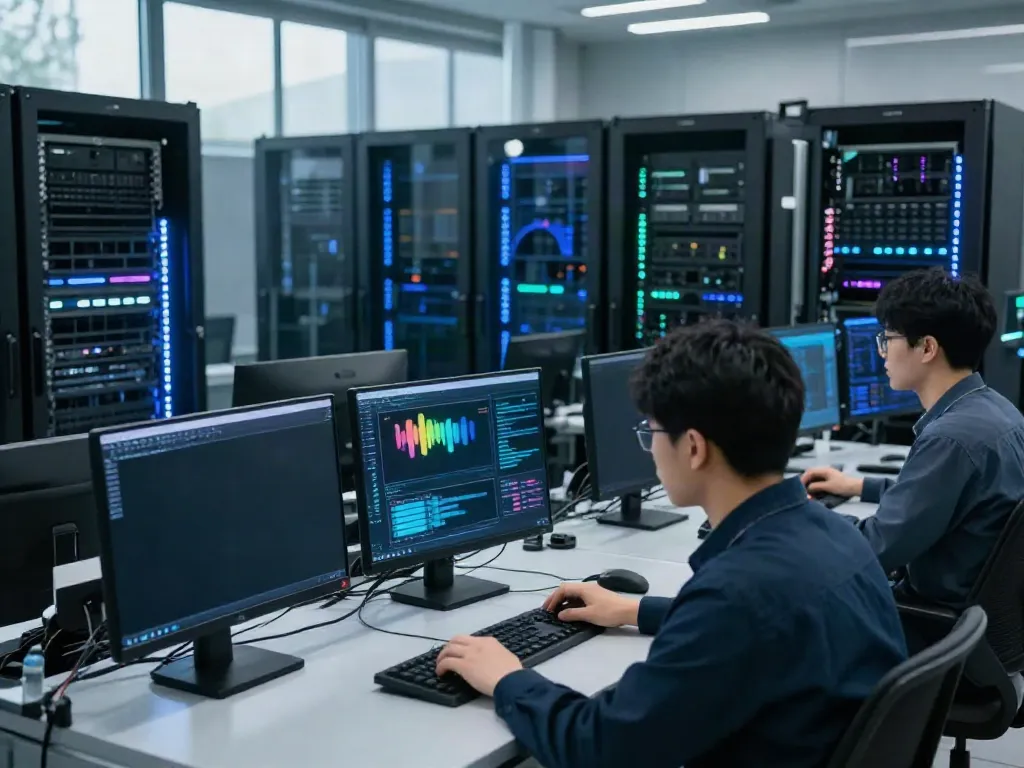
AI data centers are purpose-built facilities that host the computational resources required to train, deploy, and serve AI applications. Unlike traditional data centers that primarily rely on CPU power for general computing tasks, AI data centers leverage high-performance GPUs (Graphics Processing Units) to handle the parallel processing requirements of AI workloads. This distinction is crucial, as AI tasks often involve massive datasets and require rapid processing speeds.
The Importance of Power Infrastructure
The efficiency of an AI data center is heavily reliant on its power infrastructure. A reliable power supply is essential to maintain the operational integrity of the GPUs and other hardware that run intensive AI models. Furthermore, as AI applications scale, so too does their energy consumption, making it imperative that AI data centers adopt innovative power management solutions to optimize energy use and minimize costs.
Key Components of AI Data Centers
- High-Density Computing: Utilization of GPUs in clusters to manage heavy computational loads.
- Efficient Cooling Systems: Maintaining optimal temperatures to prevent overheating in densely packed hardware environments.
- Redundant Power Supplies: Ensuring uninterrupted power through backup systems and generator support.
- Advanced Networking: High-speed connectivity between servers to facilitate quick data transfer and processing.
The Role of Power in AI Operations
Power is the lifeblood of any data center, especially those tasked with managing AI workloads. As artificial intelligence applications demand more computational power, the adequacy of the power infrastructure becomes increasingly vital to ensure seamless operations.
How Power Supports AI Workloads
AI workloads consist of various tasks that require substantial computational resources. Powering these workloads involves more than just supplying electricity; it requires the orchestration of power management systems that can dynamically adjust to the needs of processing demands. At the core, power supports the following key areas:
- Model Training: Intensive calculations for NLP and deep learning models.
- Inferences: Real-time data processing and decision-making capabilities.
- Data Storage: Continuous access to vast amounts of data housed in robust storage solutions.
Analyzing Power Efficiency Metrics
Evaluating the efficiency of an AI data center's power usage involves multiple metrics, such as Power Usage Effectiveness (PUE), which measures the ratio of total building energy usage to the energy used by the IT equipment alone. The lower the PUE, the more efficient the data center. Keeping track of these metrics helps data center operators optimize their energy consumption, ultimately leading to lower operational costs and a reduced carbon footprint.
Real-World Case Studies of Power Allocation
Several organizations have successfully optimized their AI data centers through innovative power management strategies. For instance, leading tech companies have adopted renewable energy sources, utilizing solar and wind power alongside traditional energy supplies. This hybrid approach not only reduces costs but also aligns with sustainability goals, showcasing how power allocation can be effectively managed within AI operations.
Participating in the AI Token Economy
The AI Token Economy is an emerging ecosystem where computational resources are measured and traded in terms of tokens. As AI data centers grow more prevalent, understanding how to navigate this new economy is vital for stakeholders.
Understanding AI Infrastructure Power Plans
AI Infrastructure Power Plans are structured contracts that allow participants to contribute to the power infrastructure behind the operations of AI data centers. These plans delineate how much power a participant will support and, in return, outline the potential rewards based on their share of the infrastructure's performance. By participating in these plans, individuals and businesses can play a role in the sustained functionality of AI operations.
How to Choose the Right Power Plan
Selecting an appropriate power plan depends on the expected usage and the specific needs of the participant. Factors to consider include:
- Projected Workload: Understanding how much computational power is needed based on AI model requirements.
- Cost Efficiency: Evaluating the cost per kilowatt-hour and overall expenses associated with each plan.
- Flexibility: The ability of the plan to adjust based on varying AI workloads and demands.
Evaluating Your Rewards and Contributions
Rewards in the AI Token Economy are calculated based on the participant's contribution to the power infrastructure and the resultant performance of the AI workloads. Regular evaluations help participants understand their engagement and make informed decisions regarding their participation in future power plans.
Challenges and Innovations in AI Data Centers
As with any burgeoning technology, AI data centers face a unique set of challenges, particularly concerning power management and sustainability.
Common Misconceptions about AI Data Centers
A common misunderstanding is that AI data centers are identical to traditional data centers. In reality, AI data centers must accommodate the high performance and power density of GPU-based computing, which necessitates distinct infrastructure and energy management solutions.
Future Trends in Power Management for AI
The future of AI data centers will likely see an increased focus on renewable energy sources and energy-efficient technologies. Innovations such as AI-driven power management systems could optimize energy distribution based on real-time data analytics, enhancing both efficiency and sustainability.
Tech Innovations Enhancing Data Center Efficiency
Emerging technologies are set to revolutionize AI data center operations. Developments in liquid cooling systems, advanced battery storage, and renewable energy integration are making it possible to run AI data centers more efficiently while minimizing environmental impact.
Conclusion and Future Outlook
The future of AI data centers is bright yet complex, with significant advancements in power management and infrastructure setup expected. Recognizing the importance of power in AI operations is critical for those involved in the AI Token Economy, as the success of these endeavors hinges on the ability to scale effectively while managing costs and sustainability.
What’s Next for AI Data Centers in 2026?
As we look to 2026, we can anticipate a surge in AI data centers, fueled by advancements in technology and increasing demand for AI services. These centers will likely become more sophisticated, integrating AI-driven solutions to optimize energy use and enhance operational efficiency.
How to Stay Updated with Industry Developments
Remaining informed about new developments in the AI data center space is crucial. Consider subscribing to industry publications, attending conferences, and engaging with online communities that focus on AI infrastructure and power management.
Final Thoughts on Power’s Role in AI
In conclusion, the role of power in AI data centers is pivotal. As these facilities evolve, so too must our understanding of their infrastructure, energy needs, and the broader implications for the AI Token Economy. Engaging with power plans and staying informed are essential steps for anyone looking to thrive in this new digital era.